





What's Happening?
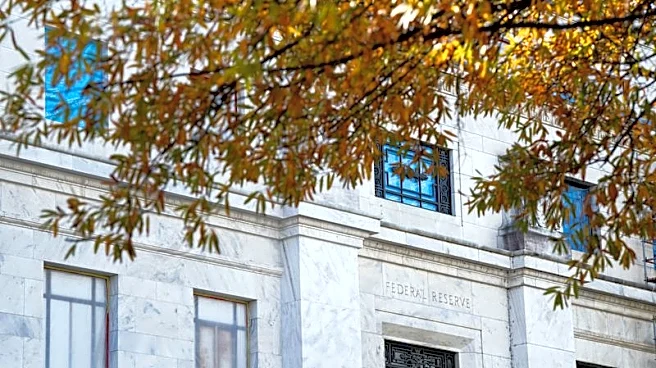
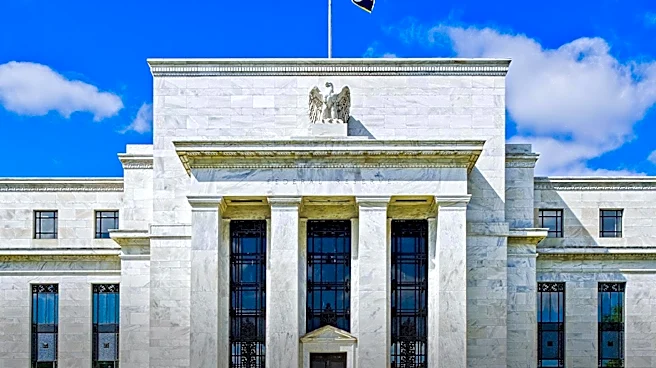
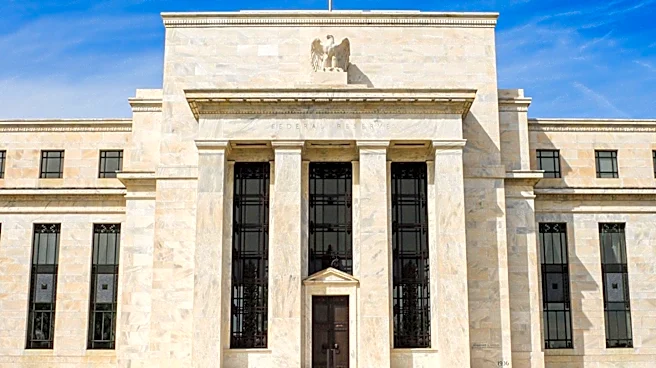
The October inflation report, showing a 0.4% rise in the Consumer Price Index (CPI) and a 0.3% increase in core inflation, has intensified expectations for a Federal Reserve interest rate hike next month. Both figures exceeded economists' forecasts, with
the CPI slightly cooling from September's 0.6% but core inflation remaining unchanged. The Labor Department did not provide a 12-month inflation rate for October due to a government shutdown in October 2025, which prevented data collection for that period. Economists like Thomas Ryan of Capital Economics suggest the broad-based nature of the inflation, rather than one-off factors, makes a December hike almost certain, with an increased risk of a larger 50 basis point move instead of the typical 25 basis points.
Why It's Important?
The persistent and broad-based nature of inflation, particularly in services and goods excluding volatile categories, poses a significant challenge to the Federal Reserve's goal of bringing inflation down to its 2% target. This sustained inflationary pressure means that the Fed may need to adopt a more aggressive stance on interest rate increases. A 'jumbo' half-percentage-point hike would significantly increase borrowing costs across the economy, impacting consumers through higher loan rates for mortgages, cars, and credit cards, and businesses through more expensive capital. This could lead to a slowdown in economic activity, potentially affecting job growth and investment. Investors are being advised to prepare for sustained high interest rates well into the next year, indicating a prolonged period of tighter monetary policy.
What's Next?
The immediate focus is on the Federal Reserve's next meeting in December, where a rate hike is widely anticipated. The key question is whether the central bank will opt for a 25 basis point increase or a more substantial 50 basis point 'jumbo' hike. While some economists, like James McCann of Edward Jones, lean towards a 25 basis point move given recent oil price declines and volatile financial conditions, the strength of recent inflation reports keeps the larger hike on the table. The path of interest rates beyond December will largely depend on whether services prices, a key indicator for economists like Jason Pride of Glenmede, begin to show a consistent downward trend. The Fed's decision will significantly influence market behavior and economic conditions in the coming months.
Beyond the Headlines
The detailed breakdown of the inflation report reveals that 'services minus the cost of housing' rose by 0.5%, the highest since May, highlighting the persistent 'sticky services' dynamic that has been a major hurdle in controlling inflation. This suggests that even as some commodity prices fluctuate, underlying service costs continue to climb, making the Fed's task more complex. Furthermore, goods prices, excluding food, energy, and used cars, also saw a significant rise of 0.4%, the highest since January. These trends indicate that inflationary pressures are deeply embedded across various sectors of the economy, not just concentrated in a few areas. This broad-based inflation makes it more challenging for the Fed to target specific sectors and necessitates a more comprehensive and potentially aggressive monetary policy response.