






What's Happening?
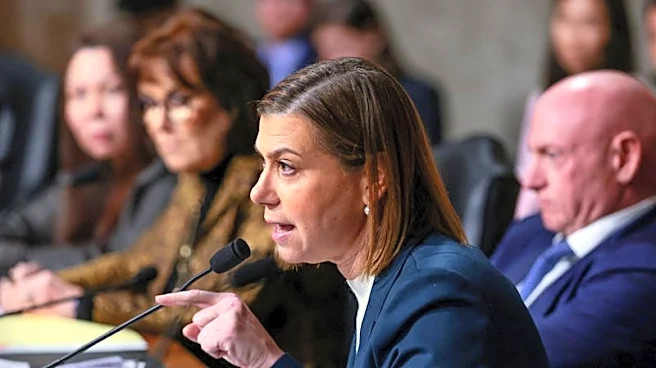
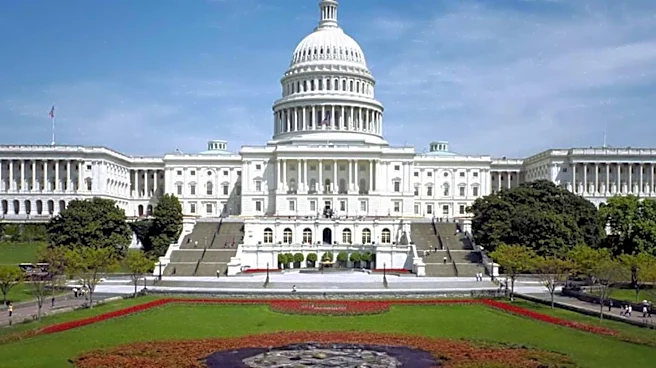
Senators Patty Murray (D-WA), Maria Cantwell (D-WA), Bernie Moreno (R-OH), and Representatives Kim Schrier (D-WA 08), Joyce Beatty (D-OH 03), and Mike Carey (R-OH 15) have introduced the bicameral Zeus 95 Memorial Act. This legislation aims to establish
a memorial at Arlington National Cemetery (ANC) to honor the six servicemembers who died on March 12, 2026, in the crash of a KC-135 during an Operation Epic Fury mission. The fallen servicemembers include Maj. John A. Klinner, Capt. Ariana G. Savino, Tech. Sgt. Ashley B. Pruitt, Capt. Seth R. Koval, Capt. Curtis J. Angst, and Tech. Sgt. Tyler H. Simmons. Representative Michael Baumgartner (R-WA 05) is also a cosponsor of the bill in the House. Current federal law typically requires a 25-year waiting period before a monument can be placed at ANC for events not involving interred remains, and this bill seeks to waive that requirement.
Why It's Important?
This legislative effort is significant as it seeks to provide a lasting tribute to servicemembers who made the ultimate sacrifice, ensuring their bravery and service are not forgotten. Waiving the 25-year waiting period for a memorial at Arlington National Cemetery underscores a commitment to honor fallen heroes promptly and to support their grieving families. The bipartisan and bicameral nature of the bill highlights a unified national sentiment regarding military service and remembrance. For the families of the Zeus 95 crew, this memorial would offer a permanent place of solace and recognition, affirming the nation's gratitude for their loved ones' dedication. It also sets a precedent for how future acts of valor and sacrifice might be commemorated.
What's Next?
The Zeus 95 Memorial Act will now proceed through the legislative process in both the House and Senate. Lawmakers will work to gain further support and push for its passage. The primary hurdle will be securing the waiver for the 25-year waiting period, which requires specific legislative action. If passed, the Department of Veterans Affairs and the Arlington National Cemetery administration would then be tasked with the design and construction of the memorial. The bill's introduction signals a strong intent from Congress to honor these servicemembers, and its progress will be closely watched by military families and veterans' organizations.
Beyond the Headlines
Beyond the immediate goal of establishing a memorial, this act reflects a broader societal conversation about how the nation remembers and honors its military personnel. The push to waive the 25-year rule suggests a desire to adapt traditional protocols to contemporary needs, recognizing that the impact of such losses is immediate and profound. It also highlights the ongoing emotional and psychological needs of military families, for whom a physical memorial can serve as a crucial point of connection and remembrance. This initiative could influence future policies regarding military honors and memorials, potentially leading to more flexible and timely recognition for servicemembers who die in the line of duty.