







What's Happening?
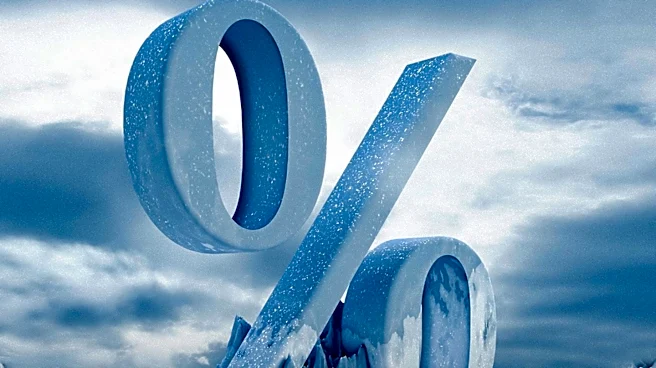
Russia's central bank has implemented a modest interest rate cut, reducing the rate by a quarter-point to 14%. This decision marks a shift from the previous half-point cuts, reflecting a compromise between the need to support economic growth and the ongoing
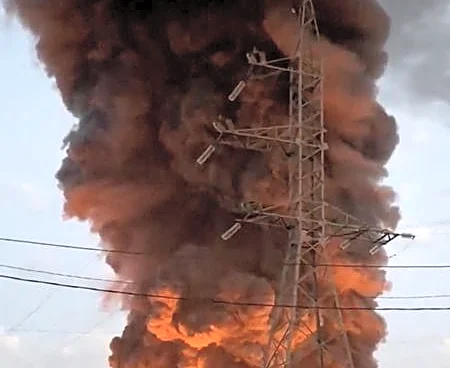
challenge of controlling inflation. The central bank's move comes in response to pressures from the business sector, which has expressed concerns over high borrowing costs. Despite Western sanctions following the invasion of Ukraine, Russia's economy has shown resilience, supported by oil exports and military orders. However, inflation remains a concern, driven by increased government spending on the war and recent fuel price hikes due to Ukrainian drone attacks on refineries.
Why It's Important?
The central bank's decision to cut interest rates is significant as it highlights the delicate balance between fostering economic growth and managing inflation. High interest rates can stifle business investment and lead to economic stagnation, while lower rates can exacerbate inflationary pressures. The move is particularly crucial for Russian businesses, which face the risk of bankruptcies if borrowing costs remain high. The economic resilience shown by Russia, despite sanctions, underscores the importance of strategic fiscal and monetary policies in navigating geopolitical challenges. The central bank's actions will be closely watched by international markets and policymakers, as they reflect broader economic trends and potential impacts on global trade and finance.
What's Next?
As the central bank continues to navigate these economic challenges, future rate adjustments will likely depend on inflation trends and economic growth indicators. The stabilization of fuel prices could alleviate some inflationary pressures, potentially allowing for further rate cuts. However, ongoing geopolitical tensions and their impact on the economy will remain a critical factor. Businesses and investors will be monitoring the central bank's policy decisions closely, as these will influence economic stability and growth prospects. Additionally, the government's ability to manage fiscal policies effectively in the face of external pressures will be crucial in shaping Russia's economic trajectory.