
What's Happening?
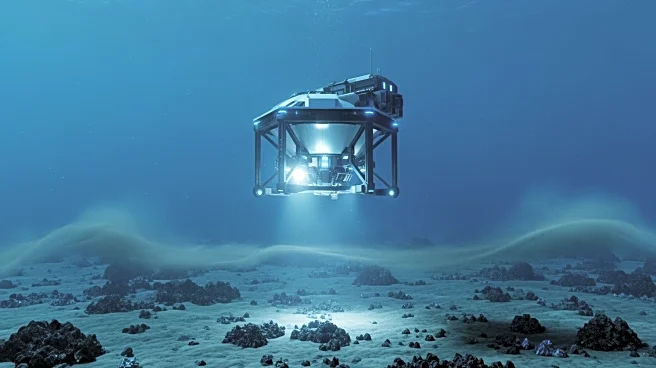
Japan has embarked on the world's first deep-sea rare earth mining test, aiming to lessen its reliance on Chinese supplies amid escalating geopolitical tensions. The Japanese government-backed vessel, Chikyu, has set sail to Minamitori Island in the Pacific
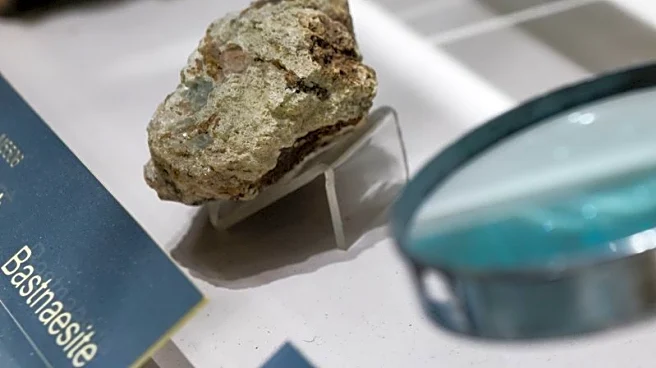
to explore seabed mud rich in rare earth elements. This initiative marks Japan's first attempt to source rare earths domestically, as opposed to overseas. Historically, Japan has been heavily dependent on China for these critical minerals, which are essential for various high-tech applications. The move comes after China imposed restrictions on rare earth exports to Japan, prompting Tokyo to seek alternative sources and reduce its dependency from 90% to 60% over the years.
Why It's Important?
The test is significant as it represents a strategic shift in Japan's approach to securing critical mineral supplies, which are vital for the country's technology and defense sectors. By potentially establishing a domestic source of rare earths, Japan could mitigate the risks associated with geopolitical tensions and supply chain disruptions. This development could also influence global rare earth markets, as Japan's success might encourage other nations to explore similar initiatives, thereby reducing China's dominance in the sector. The project underscores the growing importance of resource independence in national security and economic stability.
What's Next?
If the test proves successful, Japan plans to conduct a full-scale demonstration by February 2027. This would involve recovering significant volumes of seabed material for processing. The government has already invested approximately ¥40 billion ($256 million) in the project since 2018. The outcome of this initiative could lead to further investments in domestic rare earth production and potentially alter global supply dynamics. Additionally, Japan's actions may prompt China to reassess its export policies and strategies concerning critical minerals.