




What's Happening?
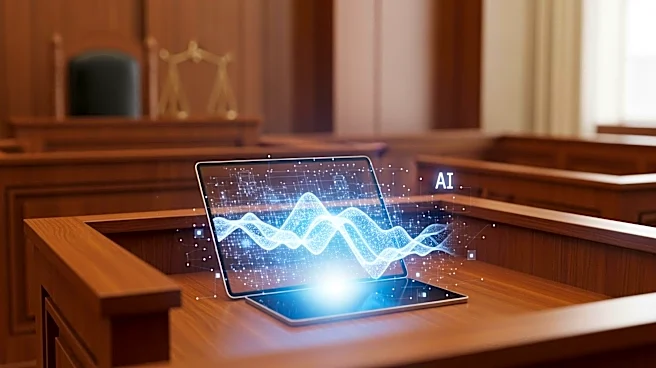
The Advisory Committee on Evidence Rules has decided to delay proposed amendments to federal evidentiary rules concerning machine-generated evidence and deepfakes. The committee, responsible for revising these rules, could not reach a consensus on how
to proceed with the proposals. The decision to table the amendments until the next meeting in the fall allows for further input from tech experts and litigators. The proposed rules include a reliability test for machine-generated content and a requirement for proving the authenticity of AI-fabricated evidence.
Why It's Important?
The delay in adopting new evidentiary rules for AI-generated content reflects the complexities and challenges of integrating advanced technologies into the legal system. As AI and deepfake technologies become more prevalent, the legal system must adapt to address issues of authenticity and reliability in evidence. The outcome of these discussions could significantly impact how courts handle AI-generated evidence, affecting both civil and criminal cases. The decision to gather more input highlights the need for careful consideration of the implications of AI on the justice system.
What's Next?
The committee will reconvene in the fall to further discuss the proposed amendments, with input from additional stakeholders. The outcome of these discussions could lead to new rules that better address the challenges posed by AI in the legal system. Legal professionals and technology experts will be closely monitoring the developments, as the new rules could set precedents for how AI-generated evidence is treated in court. The discussions may also prompt broader conversations about the role of technology in the legal system and the need for ongoing adaptation to technological advancements.