







What's Happening?
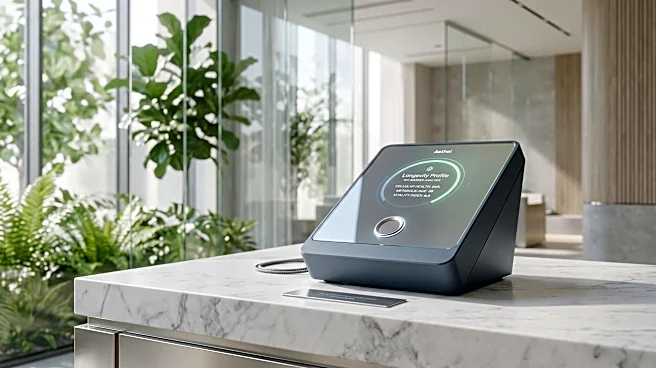
At-home microbiome tests are gaining popularity, but studies are revealing significant inconsistencies in their results and a lack of standardization across different providers. Research conducted by the U.S. National Institute of Standards and Technology
(NIST) involved sending homogenized stool samples from a single individual to seven different companies. The findings showed strikingly varied results, with microbe lists ranging from 34 to 906 identified genera, and only three genera appearing in all reports. The companies often disagreed on what constituted 'healthy' or 'unhealthy' microbiome profiles. These discrepancies stem from varying methods in sample collection, genetic material extraction, sequencing techniques, and bioinformatics analysis pipelines used by different labs.
Why It's Important?
The lack of consistent and standardized results from at-home microbiome tests poses a significant challenge for consumers seeking reliable health information and for healthcare professionals attempting to interpret these findings. Without clear standards, individuals may receive conflicting advice, leading to unnecessary dietary restrictions, inappropriate supplement use, or delayed medical assessment for genuine health concerns. For the U.S. healthcare system, this unregulated market could lead to increased patient confusion and potentially misdirected health expenditures. The scientific community also faces difficulties in validating research and establishing clear links between microbiome profiles and health outcomes when the foundational testing methods are so variable.
What's Next?
Experts are calling for greater regulatory scrutiny and oversight of the consumer microbiome testing industry. There is a recognized need for the development of standardized protocols for sample processing, data analysis, and result interpretation to ensure reliability and comparability across different providers. Organizations like NIST are working on developing reference standards, such as using mixed human donor samples, to benchmark test accuracy. While some companies acknowledge the variability and are open to standards, the inherent complexity of the microbiome, with its unique 'fingerprint' for each individual, makes establishing a single 'ground truth' challenging. The industry is likely to see continued debate and efforts towards greater scientific rigor and consumer protection.
Beyond the Headlines
The debate surrounding at-home microbiome tests highlights broader issues in the rapidly evolving field of personalized medicine and direct-to-consumer health products. While the promise of tailoring health interventions based on individual biological data is immense, the current state of microbiome testing underscores the gap between scientific discovery and commercial application. This situation raises ethical questions about the marketing of health products that may not be fully validated, and the responsibility of companies to provide accurate and actionable information. It also points to the need for public education to help consumers critically evaluate health claims and understand the limitations of current scientific understanding, particularly in complex areas like the human microbiome.