



What's Happening?
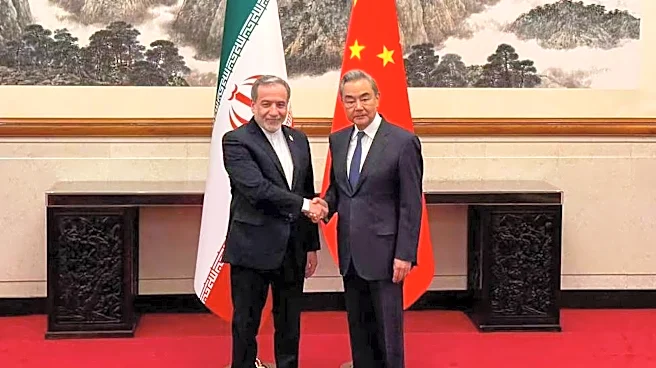
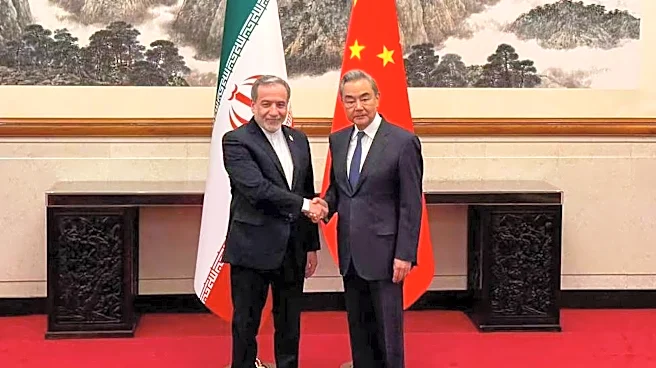
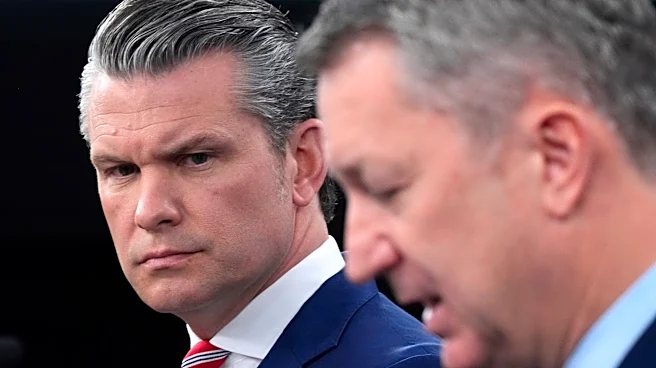
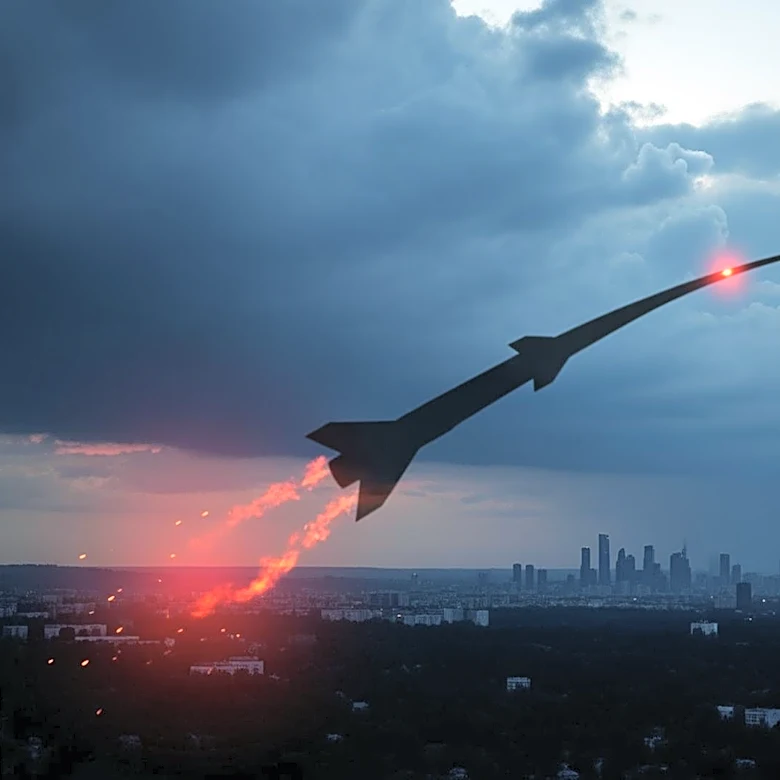
Iran is reviewing a proposal from the United States to end the ongoing conflict, with President Trump threatening increased bombing if an agreement is not reached. The proposal includes reopening the Strait of Hormuz and lifting the blockade on Iranian
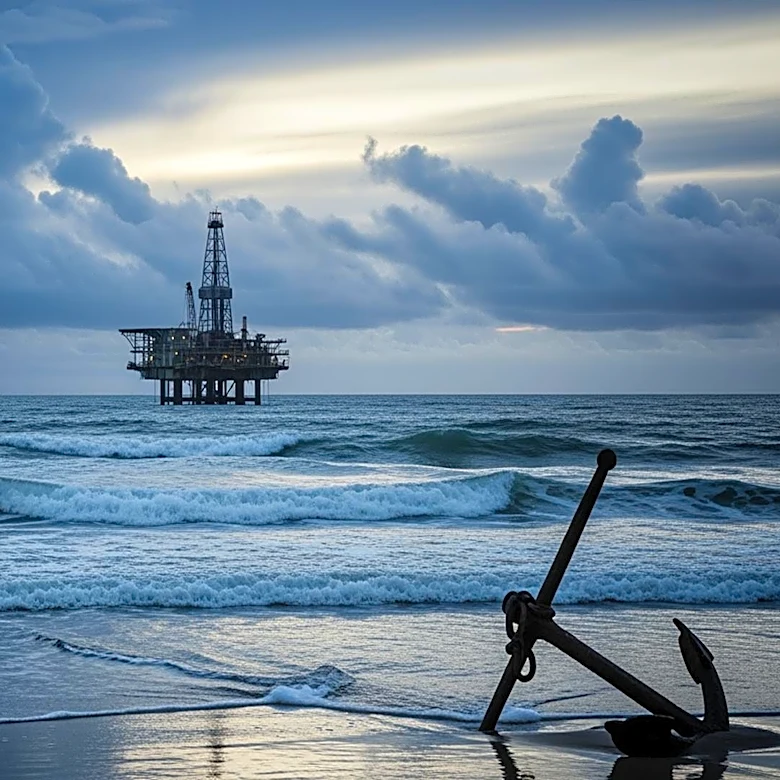
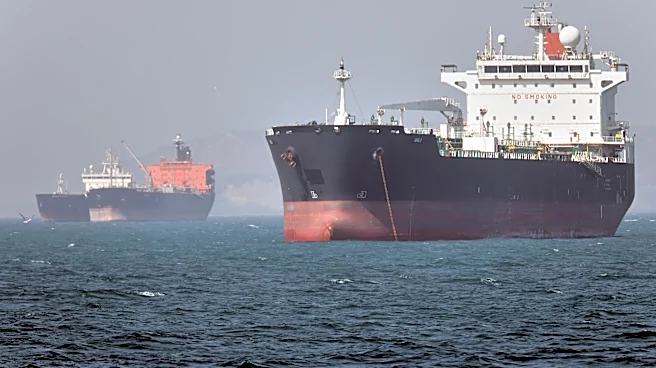
ports. A fragile ceasefire has been in place since April, but direct talks have yet to yield a resolution. Pakistan, acting as a mediator, expects a deal soon, although no timeline has been provided. The US military recently fired on an Iranian oil tanker attempting to breach the blockade, highlighting the tense situation.
Why It's Important?
The reopening of the Strait of Hormuz is crucial for global energy supplies, and its closure has led to increased fuel prices and economic strain worldwide. A resolution could stabilize oil prices and ease economic tensions. The US proposal also includes lifting sanctions and halting Iran's uranium enrichment, which could improve Iran's economic situation and reduce regional tensions. However, Trump's threat of increased bombing could lead to further instability, affecting international relations and economic conditions.
What's Next?
Iran is expected to respond to the US proposal soon, with Pakistan facilitating communication. The outcome could lead to either a peaceful resolution or an escalation of military actions. The international community, including China, is closely monitoring the situation, hoping for a peaceful settlement. The US administration may face pressure to finalize the agreement before the upcoming midterm elections, as domestic fuel prices and economic conditions are significant concerns for voters.