



What's Happening?
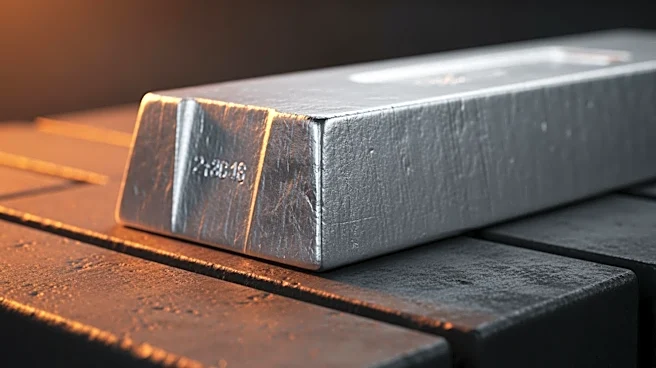
The London Metal Exchange (LME) has seen industrial metals reach record highs, driven by significant gains in aluminum and copper. The surge is attributed to supply disruptions caused by the ongoing conflict in the Middle East, particularly affecting
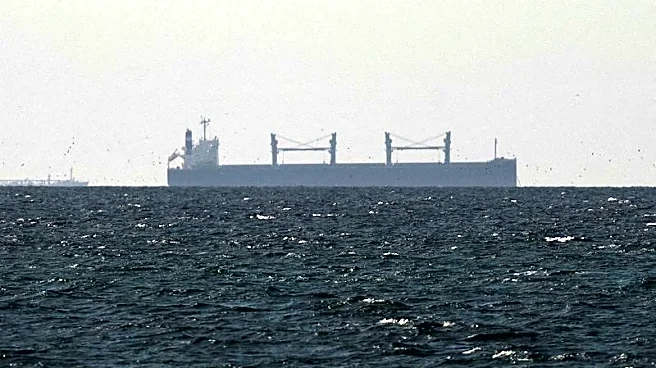
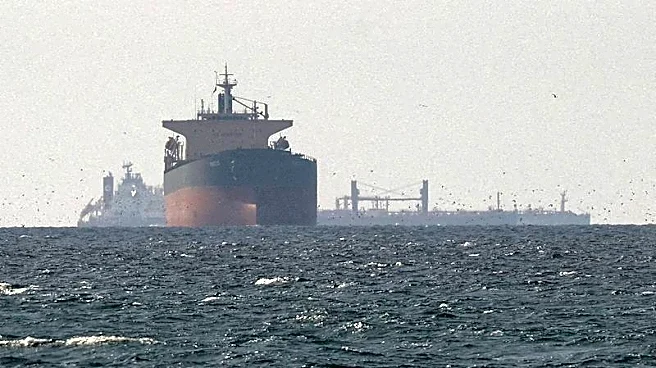
aluminum production. The LME Index, which tracks six major metals, has increased by nearly 12% over the past month. Aluminum prices have risen by about 15% since the conflict began, as the Middle East accounts for a significant portion of global output. The situation has been exacerbated by strikes on key smelters in Abu Dhabi and Bahrain, and a blockade of the Strait of Hormuz, impacting shipments. Despite these challenges, there are signs of a potential ceasefire, which has helped stabilize other metal prices.
Why It's Important?
The record highs on the LME highlight the vulnerability of global supply chains to geopolitical tensions. The aluminum supply deficit poses significant challenges for industries reliant on this metal, potentially leading to increased costs and production delays. The situation underscores the importance of diversifying supply sources and enhancing resilience against geopolitical risks. The conflict's impact on metal prices also reflects broader economic concerns, as rising costs could affect various sectors, from manufacturing to construction, influencing global economic stability.
What's Next?
The potential for a ceasefire between the US and Iran could stabilize the situation, but the long-term resolution of supply chain disruptions remains uncertain. Companies may need to explore alternative supply routes or increase stockpiles to mitigate risks. Additionally, the situation may prompt policymakers to consider strategic reserves or other measures to ensure supply security. The ongoing developments in the Middle East will likely continue to influence metal prices and market dynamics in the coming months.