





What's Happening?
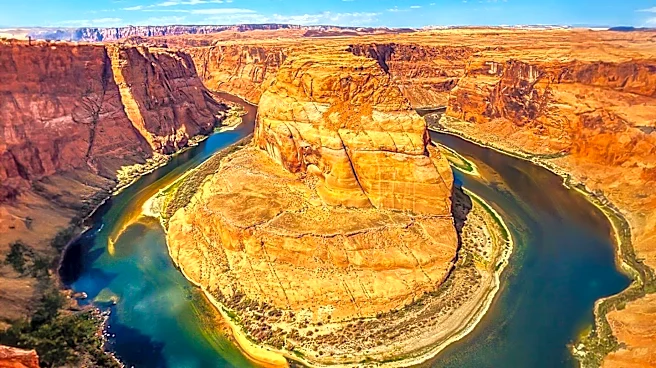
The U.S. Department of Interior has mandated cuts to Arizona's allocation of water from the Colorado River due to declining water levels. Arizona, one of seven states drawing from the river, faces a reduction of 760,000 acre-feet. While other states have
imposed water usage restrictions on citizens, Arizona cities have not yet done so, largely because most do not currently use their full water allotments and store excess in local aquifers. However, these cuts will limit future contributions to these 'savings accounts.' Experts from Arizona State University (ASU), including the Kyl Center for Water Policy, Impact Water - Arizona, and the ASU Water Institute, are actively researching and discussing sustainable solutions. These solutions range from advanced water purification to removing salt and minerals from other water sources and transporting them to Arizona. Agricultural usage is identified as a primary target for more efficient water use, as municipal usage in urban areas has remained stable despite population growth.
Why It's Important?
The Colorado River is a vital water source for Arizona, and these cuts pose a significant challenge to the state's long-term water security and economic stability. The reliance on stored water in aquifers provides a temporary buffer but is not a sustainable solution if cuts continue. The discussions among ASU experts highlight the critical need for innovative water management strategies to support Arizona's growing population and agricultural sector. The potential for advanced water purification to reduce reliance on the Colorado River by 50% in cities like Phoenix demonstrates a path toward greater water independence. This situation underscores the broader implications of climate change and increased demand on shared natural resources, necessitating collaborative and non-partisan approaches to policy and resource management.
What's Next?
ASU organizations will continue their research and advisory roles, providing neutral policy analysis and promoting water sustainability. The focus will likely remain on developing and implementing advanced water purification technologies, exploring alternative water sources, and improving water efficiency, particularly in agriculture. Cities may eventually need to consider implementing water restrictions if the supply situation worsens. The ongoing dialogue among experts, policymakers, and communities will be crucial in shaping Arizona's future water policies. The state's ability to adapt to these cuts will serve as a case study for other regions facing similar water scarcity challenges.
Beyond the Headlines
The Colorado River water crisis in Arizona extends beyond immediate supply concerns, touching upon complex issues of interstate water rights, environmental conservation, and urban planning. The reliance on ancient deep groundwater, which takes thousands of years to replenish, raises ethical questions about resource depletion for future generations. The role of universities like ASU in providing neutral expertise becomes paramount in navigating politically charged and economically sensitive environmental issues. This situation also highlights the interconnectedness of water, energy, and food systems, as solutions often require integrated approaches. The long-term implications could include shifts in agricultural practices, urban development patterns, and even population distribution within the state, as water availability becomes a primary determinant of growth.