





What's Happening?
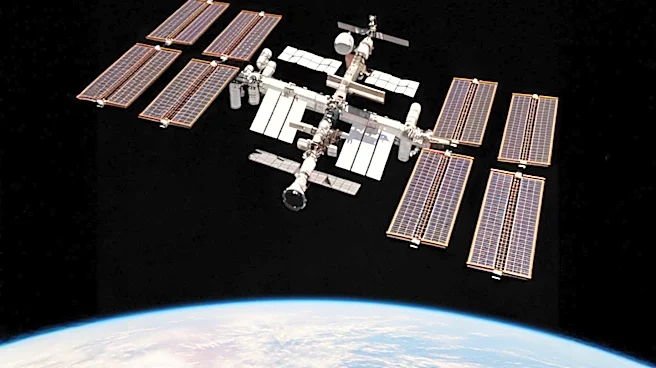
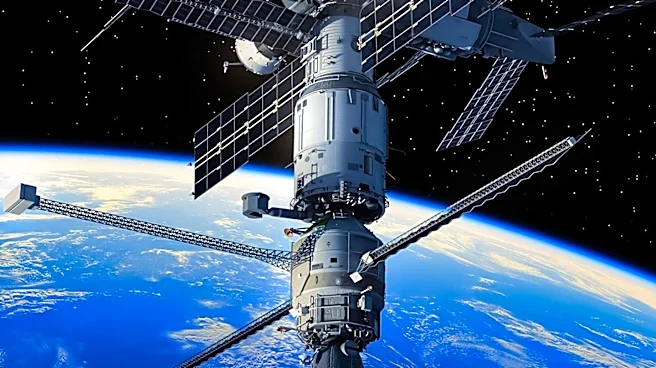
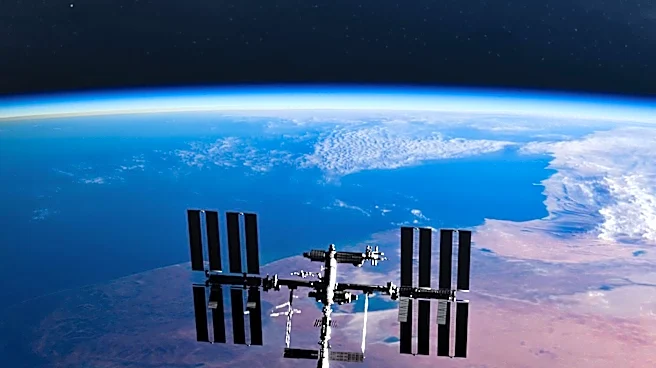
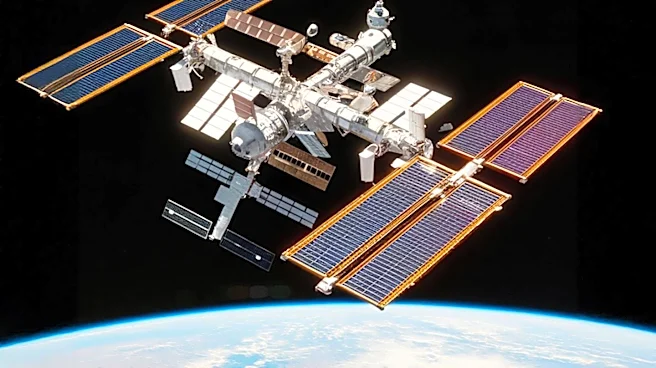
NASA is closely monitoring the nutrition of astronauts aboard the International Space Station (ISS) due to the effects of microgravity on the human body. In microgravity, body fluids shift towards the head, causing facial swelling and nasal congestion,
which dulls the sense of smell and taste. This fluid shift is a significant adaptation to weightlessness and affects astronauts' appetite and nutrition. The lack of gravity also leads to muscle and bone loss, particularly in the lower limbs. Despite rigorous exercise regimens, astronauts still experience muscle deconditioning. NASA's Nutritional Biochemistry Laboratory conducts clinical nutritional assessments to ensure astronauts maintain adequate energy intake, as they typically consume only about 80% of their recommended energy needs.
Why It's Important?
The monitoring of astronauts' nutrition is crucial for maintaining their health and performance during long-duration space missions. Muscle and bone loss in microgravity can significantly impact astronauts' ability to perform tasks and return safely to Earth. Ensuring adequate nutrition helps mitigate these effects and supports overall mission success. As space agencies plan for longer missions, such as trips to the Moon and Mars, understanding and addressing these physiological challenges becomes even more critical. The insights gained from these studies not only enhance the safety and effectiveness of current missions but also inform the development of future life support systems for extended space travel.
What's Next?
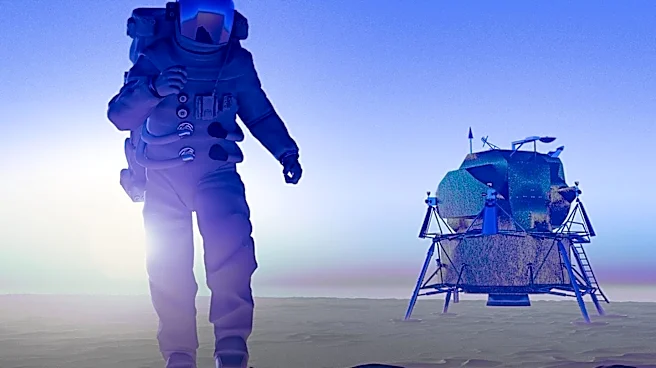
Future space missions, including NASA's Artemis program and potential crewed missions to Mars, will require even more robust strategies to manage nutrition and physical health over extended periods. Researchers are exploring improved food options, advanced exercise equipment, and pharmaceutical interventions to better support astronauts' health. These efforts aim to ensure that astronauts can maintain their physical condition and perform effectively during missions that could last several years. Continuous research and innovation in this area are essential to overcoming the challenges of long-term space habitation.