








What's Happening?
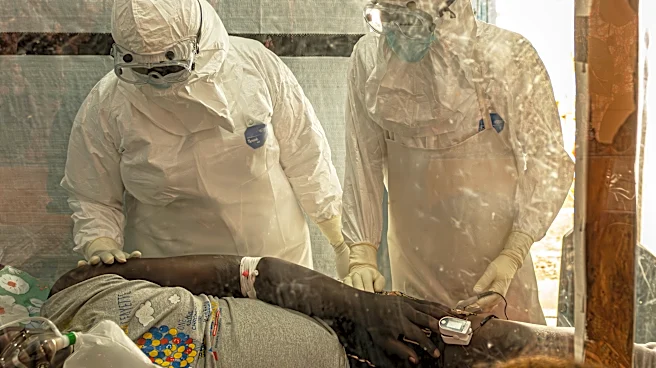
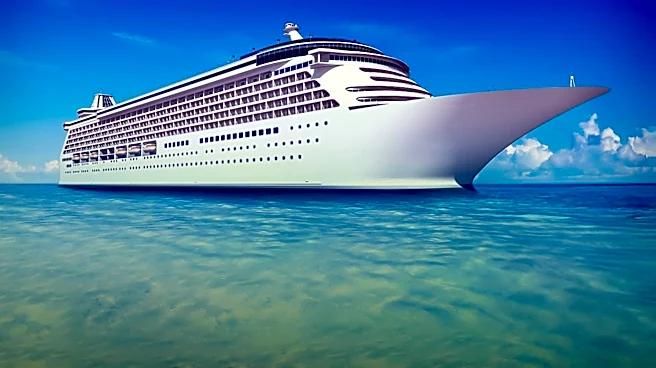
The World Health Organization (WHO) has officially declared the end of a hantavirus outbreak that originated on the MV Hondius, a polar cruise ship. The outbreak, which began in April, resulted in three deaths and affected passengers across three continents.
The virus, identified as the Andes strain of hantavirus, is rodent-borne and can spread between people in close contact. The outbreak led to extensive quarantines and contact tracing efforts involving over 650 individuals in approximately three dozen countries. The ship was initially denied entry at several ports before being allowed to dock in Spain. The WHO has confirmed that no new cases have been reported since May 25.
Why It's Important?
The resolution of this hantavirus outbreak is significant for global public health, highlighting the challenges of managing infectious diseases in the context of international travel. The incident underscores the importance of rapid response and coordination among international health authorities to contain outbreaks and prevent further spread. The outbreak also draws attention to the risks associated with cruise travel, particularly in remote regions where medical facilities may be limited. The WHO's ongoing study aims to improve understanding of hantaviruses and develop potential treatments, which is crucial for preventing future outbreaks and protecting public health.
What's Next?
The WHO is coordinating a study involving 21 countries to better understand hantaviruses and explore potential treatments. This research is vital for enhancing global preparedness and response strategies for similar outbreaks in the future. Continued monitoring of hantavirus activity, particularly in endemic regions like South America, is essential to prevent further spread. Public health authorities are likely to implement stricter health protocols for cruise ships and other travel sectors to mitigate the risk of infectious disease transmission.