






What's Happening?
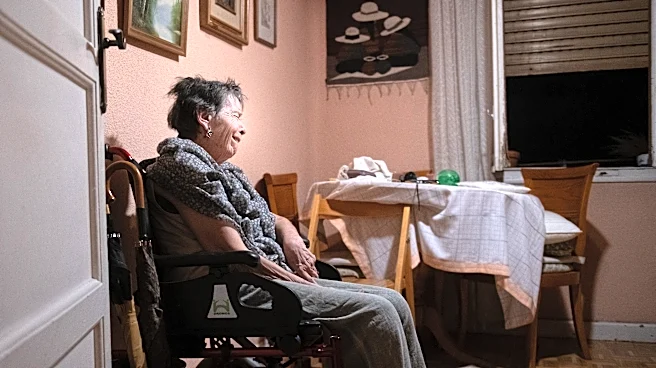
A Cuban mother, Yudith Monteagudo, appealed on the radio program "Criterio Compartido" for recognition and compensation as a caregiver for her son with a severe disability, prompting Cuban leader Miguel Díaz-Canel to promise a solution. Monteagudo's son has
an intellectual disability, which has worsened due to recent health issues, including a leg amputation due to diabetes and a hematological condition. Despite Cuban legislation, approved in February and published in April, that provides for compensation for families caring for children with severe disabilities, Monteagudo was reportedly told by municipal authorities that she could not be her son's caregiver. The regulation recognizes family care as paid work with labor rights and social security coverage, funded by the State Budget. However, its practical application faces bureaucratic obstacles, requiring certification from municipal Public Health and authorization from the Municipal Directorate of Labor and Social Security. Díaz-Canel responded to her plea with a rhetorical question about the necessity of supporting such mothers and committed the involvement of relevant institutions to address her case.
Why It's Important?
This incident highlights a significant gap between enacted legislation and its practical implementation in Cuba, particularly concerning social welfare and support for vulnerable populations. While the government has established a legal framework to compensate caregivers of disabled children, bureaucratic hurdles and local-level denials prevent families from accessing these crucial benefits. The fact that a mother had to resort to a national radio program to seek a legally recognized right underscores the challenges citizens face in navigating the administrative system. This situation is particularly critical given Cuba's severe economic crisis, with high inflation and a significant portion of the population struggling to meet basic needs. The leader's direct intervention, while offering a potential solution for this specific case, also draws attention to the broader systemic issues that leave many families without the support they are entitled to, exacerbating their already difficult circumstances.
What's Next?
Following Díaz-Canel's promise, Yudith Monteagudo is expected to receive attention from relevant institutions in the coming days, with the aim of providing a solution to her request for caregiver compensation. This individual case may prompt a review of the bureaucratic processes that hinder the implementation of the caregiver compensation law, potentially leading to clearer guidelines or more streamlined procedures for other families. However, without systemic changes, other families facing similar issues may continue to struggle to access their rights. The government's response to this high-profile case will be a test of its commitment to social welfare policies and its ability to bridge the gap between legislation and practical support for its most vulnerable citizens. The ongoing economic crisis will likely continue to strain resources, making the effective and equitable implementation of such programs even more challenging.
Beyond the Headlines
The story of Yudith Monteagudo and her struggle to receive compensation as a caregiver for her disabled son reveals a deeper tension within Cuba's socialist system: the challenge of translating ideological commitments to social welfare into effective, accessible, and humane public services. While the existence of a law to support caregivers is commendable, its failure in practice exposes the limitations of a centralized bureaucracy and the human cost of administrative inefficiencies. This incident raises ethical questions about accountability and transparency within the government, particularly when citizens must appeal directly to the highest authority to access basic rights. The broader implication is that even well-intentioned policies can falter without robust implementation mechanisms, local-level responsiveness, and a culture that prioritizes citizen well-being over bureaucratic rigidity. This case serves as a poignant reminder of the daily struggles faced by many Cubans and the persistent need for reforms that ensure equitable access to social support.