









What's Happening?
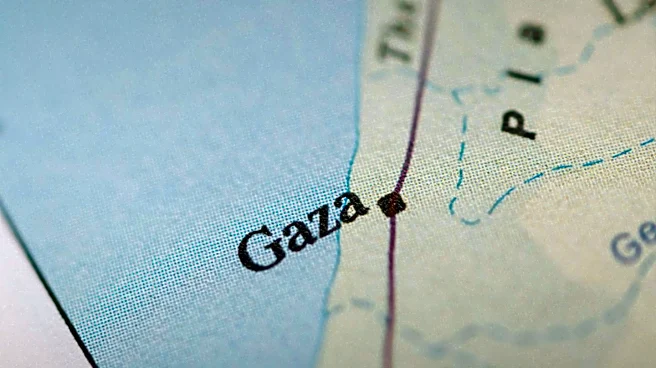
House Minority Leader Hakeem Jeffries is navigating a significant internal conflict within the Democratic Party regarding a proposed amendment to cut aid to Israel. The amendment, introduced by Rep. Thomas Massie, seeks to eliminate $3.3 billion in foreign
military aid to Israel, sparking intense debate among Democrats. Jeffries has opted not to take a definitive stance, allowing party members to discuss their differences in private meetings. This issue has become a focal point in Democratic primaries, with progressive candidates challenging incumbents over their ties to pro-Israel groups. Jeffries, who has historically supported Israel, is now facing a transformed political landscape where U.S. support for Israel is a contentious topic.
Why It's Important?
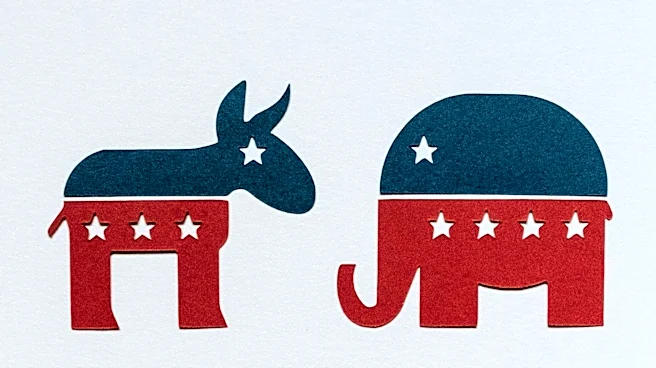
The debate over Israel aid highlights a growing rift within the Democratic Party, reflecting broader shifts in U.S. foreign policy perspectives. The outcome of this internal conflict could influence the party's stance on international relations and impact U.S.-Israel relations. For Jeffries, managing this division is crucial as it could affect his leadership and the party's unity. The issue also poses a challenge for Democrats in upcoming elections, as Republicans may exploit these divisions to gain political advantage. The handling of this situation could set a precedent for how the party addresses other contentious issues in the future.
What's Next?
As the amendment is unlikely to pass due to lack of Republican support, the immediate legislative impact may be limited. However, the discussions within the Democratic caucus are expected to continue, potentially influencing future policy decisions. Jeffries has indicated he will provide more guidance once a vote is confirmed, suggesting that the party's approach to Israel aid will remain a significant topic. The ongoing debate may also lead to further primary challenges from progressive candidates, shaping the party's platform and electoral strategy.