



What's Happening?
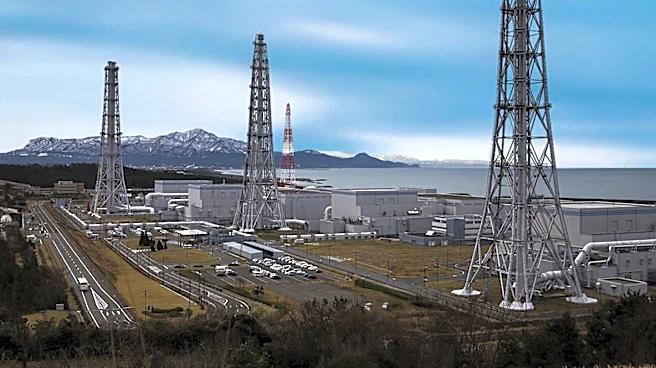
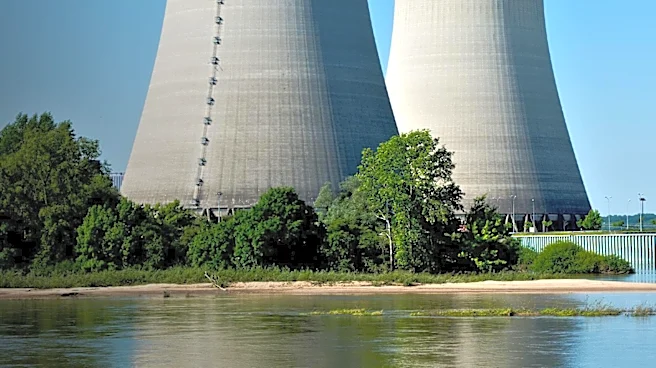
Nuclear energy is responsible for generating approximately a quarter of the world's low-carbon electricity, according to the International Atomic Energy Agency (IAEA). This energy source is noted for having the lowest carbon footprint compared to other
electricity sources, requiring significantly less material and land. As global demand for secure, low-carbon energy sources increases, nuclear power is expected to continue playing a crucial role in the energy mix. The IAEA emphasizes the importance of nuclear energy in achieving sustainable energy goals, despite the challenges faced by countries in adopting nuclear power due to financial, regulatory, and infrastructural requirements.
Why It's Important?
The significance of nuclear energy in the global energy landscape is underscored by its low environmental impact and efficiency in land and material use. As countries strive to meet climate goals and reduce carbon emissions, nuclear power offers a viable solution for sustainable energy production. However, the adoption of nuclear energy is complex, requiring substantial investment, regulatory frameworks, and skilled personnel. The IAEA's findings highlight the potential of nuclear energy to contribute to a sustainable future, while also pointing out the barriers that need to be addressed for broader implementation.