


What's Happening?
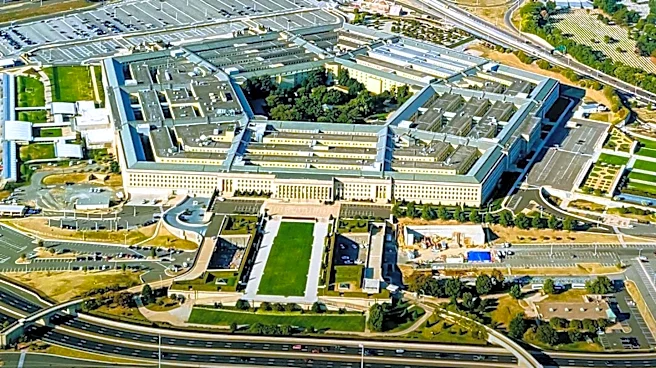
The Senate Armed Services Committee, chaired by Sen. Roger Wicker (R-MS), is set to hold a closed briefing on September 17 to discuss the implementation of the National Defense Strategy and its global impact. This hearing comes amid significant developments
in U.S. military policy, including the planned withdrawal of U.S. troops from Iraq by the end of September 2026, as confirmed by Iraqi Prime Minister Ali al-Zaidi during a meeting with President Trump. Additionally, the Pentagon has initiated a comprehensive review of U.S. military presence in Europe, which could lead to a major overhaul of American troop levels on the continent. Secretary of Defense Pete Hegseth has criticized NATO's unequal burden-sharing, signaling a shift in the administration's approach to defense alliances.
Why It's Important?
The review of the U.S. defense strategy and military presence in Europe is crucial as it could reshape America's global military posture. The withdrawal from Iraq marks a significant shift in U.S. foreign policy, potentially affecting regional stability and U.S. influence in the Middle East. The focus on NATO burden-sharing reflects ongoing tensions within the alliance, with implications for transatlantic relations and collective security. These developments could impact defense contractors, military personnel, and allied nations, influencing future defense budgets and international collaborations.
What's Next?
The outcomes of the Senate hearing and the Pentagon's review could lead to policy changes affecting U.S. military deployments and alliances. Stakeholders, including NATO members and defense industry players, will be closely monitoring these discussions. The potential realignment of U.S. forces in Europe may prompt reactions from European allies, who could seek to negotiate new terms of engagement or increase their defense contributions. The withdrawal from Iraq will require careful coordination to ensure a smooth transition and maintain regional security.