






What's Happening?
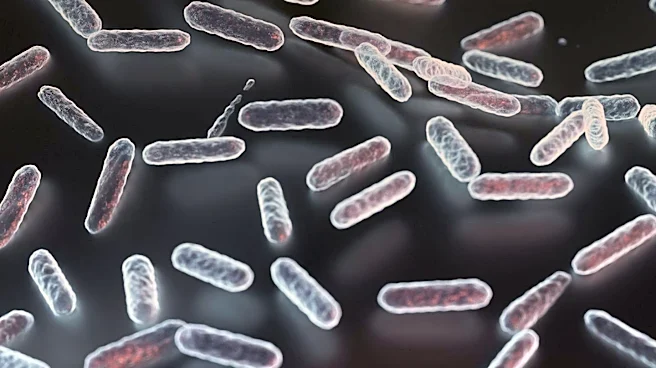
Health officials in Louisiana are alerting the public about a rise in infections caused by Vibrio vulnificus, a flesh-eating bacteria found in coastal waters. This year, Louisiana has reported nine cases, resulting in five deaths, a significant increase
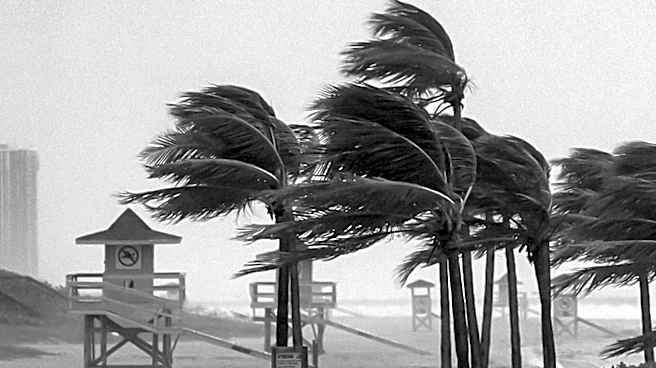
compared to the average of seven cases and one death over the past decade. The bacteria thrive in the warm, salty waters of the Gulf Coast, particularly from May to October. Infections can occur through open wounds exposed to brackish or saltwater, or by consuming raw or undercooked shellfish. The Centers for Disease Control and Prevention (CDC) notes that Vibrio vulnificus is the most deadly type of Vibrio bacteria, with a fatality rate of one in five. Florida has also reported 14 cases and two deaths this year, with more cases typically occurring during years with tropical storms and hurricanes.
Why It's Important?
The increase in Vibrio vulnificus infections poses a significant public health concern, particularly for coastal communities and tourists. The bacteria's ability to cause severe illness and death highlights the need for increased awareness and preventive measures. Vulnerable populations, such as the elderly and those with weakened immune systems, are at higher risk. The spread of this bacteria is also linked to climate change, as warmer waters allow it to proliferate and expand its geographic range. This trend underscores the broader implications of environmental changes on public health, necessitating adaptive strategies to protect at-risk populations and manage healthcare resources effectively.
What's Next?
Beachgoers are advised to take precautions, such as avoiding water exposure with open wounds and thoroughly cooking shellfish. Health officials recommend immediate medical attention if symptoms like fever, chills, or skin discoloration develop after water exposure. Ongoing monitoring and public education efforts are crucial to mitigate the impact of these infections. As climate change continues to influence the spread of Vibrio bacteria, further research and policy adjustments may be needed to address the evolving public health landscape.
Beyond the Headlines
The rise in Vibrio vulnificus cases highlights the intersection of environmental and public health issues. The bacteria's spread due to climate change raises ethical and policy questions about resource allocation and preventive measures. It also emphasizes the importance of integrating environmental considerations into public health planning. Long-term, this situation may prompt a reevaluation of coastal management practices and emergency response strategies to better protect communities from emerging health threats.