









What's Happening?
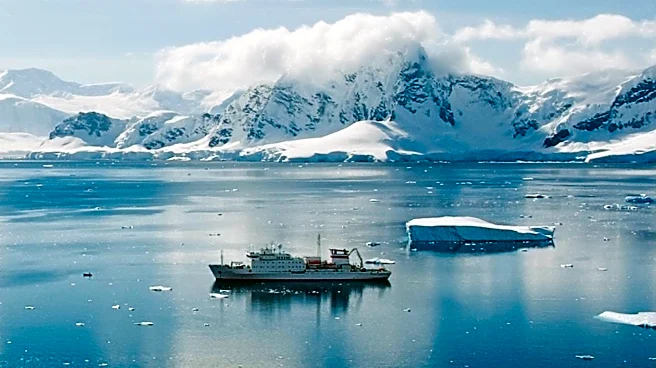
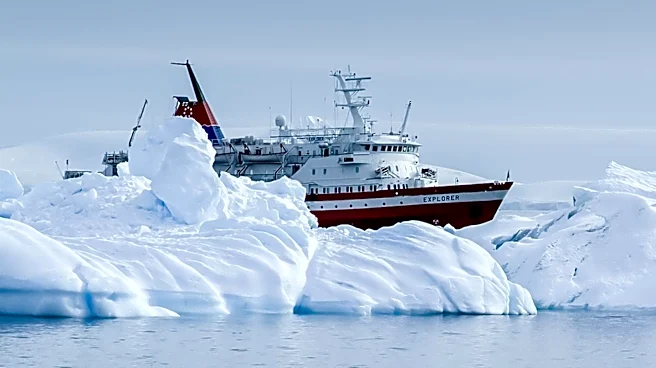
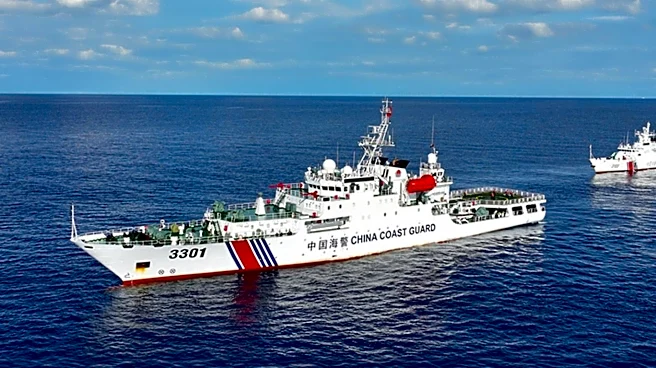
The U.S. Coast Guard (USCG) has resumed its monitoring activities as Chinese research vessels, including the Xue Long and Xue Long 2, have been observed entering the Bering Sea and transiting through U.S. and international waters. This marks the first
instance in 2026 of such activity, following a significant increase in Chinese presence in the region last year. The Chinese Ministry of Natural Resources has launched a large expedition to the Arctic, involving four research vessels, to advance studies on global climate change impacts in the Arctic Ocean. While international law permits foreign vessels to operate within the U.S. Exclusive Economic Zone (EEZ) and over the extended continental shelf, the USCG is ensuring compliance with international regulations, particularly regarding marine scientific research, which requires U.S. permission and data sharing.
Why It's Important?
The increased presence of Chinese research vessels in the Arctic underscores the strategic importance of the region, both for its natural resources and its geopolitical significance. The U.S. Coast Guard's vigilance reflects concerns over potential violations of international law and the protection of American sovereign rights. The Arctic is becoming a focal point for international competition, with nations like China seeking to expand their influence and research capabilities. The U.S. response, including the construction of a new fleet of Arctic patrol icebreakers, highlights the strategic priority of maintaining a presence in the region to safeguard national interests and ensure compliance with international norms.
What's Next?
The U.S. is advancing its Arctic strategy by commissioning a new fleet of Arctic patrol icebreakers, with the first vessel under construction in Finland and subsequent ships to be built in the U.S. This fleet is expected to enhance the Coast Guard's ability to monitor and respond to activities in the Arctic. The first three vessels will be stationed in Alaska, with additional homeports being developed. The program aims to deliver 11 Arctic Security Cutters by 2035, reinforcing U.S. capabilities in the region. This development is likely to influence future diplomatic and military engagements in the Arctic, as nations vie for influence and access to resources.