



What's Happening?
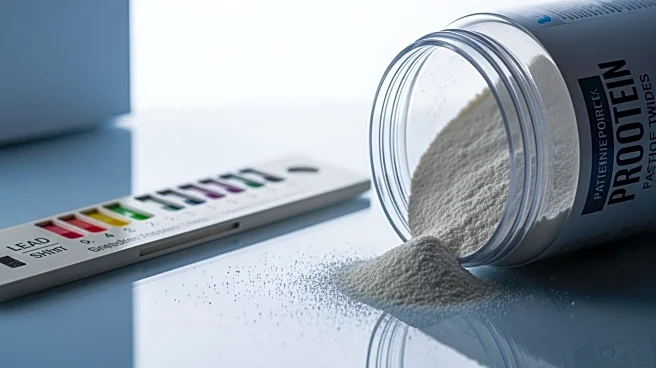
Consumer Reports conducted an investigation into protein powders and ready-to-drink shakes, revealing that more than two-thirds of the products tested contained lead levels exceeding what is considered safe for a full day. This finding has raised significant
concerns among consumers about the safety of these supplements. In response to reader inquiries, Consumer Reports further tested five specific chocolate protein powders, including brands like Clean Simple Eats and Premier Protein. These subsequent tests showed that the selected products contained low levels of lead, meeting safety thresholds for daily consumption. Despite these reassuring results, the broader issue remains that many protein powders on the market still contain high levels of heavy metals, such as lead and arsenic. The lack of federal regulations specifically addressing lead content in protein powders contributes to this ongoing concern.
Why It's Important?
The findings from Consumer Reports highlight a critical gap in the regulation of dietary supplements, particularly protein powders, which are widely used by consumers seeking to enhance their nutrition and fitness. The presence of heavy metals like lead in these products poses potential health risks, especially for individuals who consume them regularly. This issue underscores the need for stricter oversight and clearer guidelines from regulatory bodies like the FDA to ensure consumer safety. The report also emphasizes the importance of consumers being informed about the potential risks associated with dietary supplements and encourages them to consider natural food sources for their nutritional needs. The broader implications of this investigation could lead to increased scrutiny of the supplement industry and potentially drive changes in manufacturing practices and regulatory policies.
What's Next?
As the conversation around the safety of protein powders continues, it is likely that consumer advocacy groups and health organizations will push for more stringent regulations and testing standards. Manufacturers may also face pressure to improve their quality control processes to ensure their products are free from harmful contaminants. Additionally, there may be an increase in consumer demand for transparency regarding the sourcing and testing of ingredients in dietary supplements. This could lead to a shift in the market, with consumers gravitating towards brands that prioritize safety and transparency. The ongoing dialogue may also prompt further research into the long-term health effects of consuming protein powders with trace amounts of heavy metals.