
What's Happening?
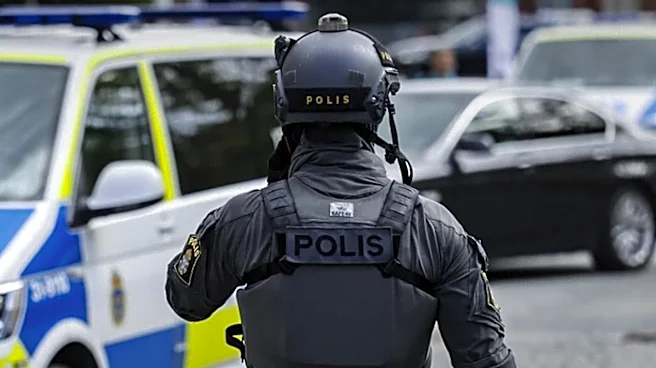
Strong Memorial Hospital in Rochester, New York, experienced a significant police response early Monday morning following a false report of an active shooter. Authorities stated that officers were dispatched
to the hospital around 2 a.m. after receiving a 911 call alleging an active shooter inside the facility. Upon arrival, law enforcement quickly determined that the report was unfounded and no shooting had occurred. Police located the individual responsible for the false report, identified as a 39-year-old Spencerport man, within the hospital. The man was subsequently placed under mental health detention and issued an appearance ticket for third-degree falsely reporting an incident. The incident caused a large-scale mobilization of emergency services, highlighting the protocols in place for such critical situations.
Why It's Important?
False active shooter reports, like the one at Strong Memorial Hospital, carry significant implications for public safety and resource allocation. They trigger immediate and extensive responses from law enforcement and emergency services, diverting critical resources that could be needed for genuine emergencies elsewhere. Such incidents can also cause widespread panic and disruption within institutions, impacting patient care in hospitals or operations in other public spaces. The mental health detention of the individual involved underscores the potential underlying issues that can lead to such false alarms, pointing to the broader societal challenges of mental health support and crisis intervention. Furthermore, these events contribute to a climate of heightened anxiety, requiring institutions to constantly refine their security protocols and communication strategies to manage both real and perceived threats effectively.
What's Next?
The individual responsible for the false report has been issued an appearance ticket for third-degree falsely reporting an incident and placed under mental health detention. This indicates that legal proceedings will follow regarding the false report, and the individual will likely receive mental health evaluation and support. For Strong Memorial Hospital and other similar institutions, this incident will likely prompt a review of their internal security and emergency response protocols, particularly concerning how false alarms are managed and how information is disseminated to staff and the public. There may also be increased emphasis on staff training for identifying and responding to suspicious behavior, as well as improving communication channels with law enforcement to ensure rapid and accurate assessment of threats. The broader community may also see renewed discussions on the consequences of misusing emergency services and the importance of responsible reporting.
Beyond the Headlines
The incident at Strong Memorial Hospital highlights a growing challenge for emergency services and public institutions: distinguishing between credible threats and false alarms in an era of heightened public anxiety. The immediate, large-scale response to an active shooter report, even if false, reflects the lessons learned from past tragedies and the imperative to prioritize safety. However, the frequency of such false alarms can lead to resource strain and potential desensitization, posing a complex dilemma for emergency management. This event also brings to light the intersection of public safety and mental health, as individuals experiencing mental health crises may inadvertently trigger such responses. Addressing these incidents effectively requires not only robust security measures but also comprehensive mental health support systems and public education on the responsible use of emergency services, aiming to prevent such disruptions while ensuring genuine threats are met with appropriate urgency.