


What's Happening?
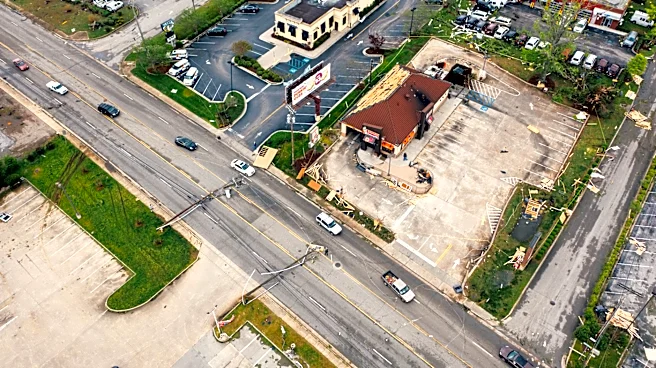
Indiana Governor Mike Braun has publicly stated that prolonged power outages affecting thousands of residents in Gary and Northwest Indiana are "unacceptable." This declaration comes after nine days of outages following severe storms. Governor Braun emphasized
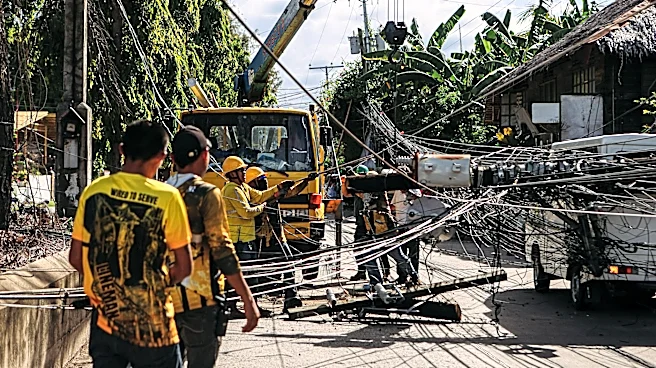
that state agencies have provided extensive assistance to NIPSCO crews, including heavy equipment, personnel for route clearance, and brush removal. The Indiana State Police have also been deployed to provide protection for utility workers to expedite restoration efforts. Braun noted that every state agency capable of assisting with power restoration is actively engaged, making it a top priority for Lake, Porter, and LaPorte counties. He also directed the Indiana Department of Insurance to implement a 60-day moratorium on policy cancellations and suspend late payment penalties for storm-affected Hoosiers, aiming to alleviate additional burdens during recovery. Cleanup efforts are ongoing across Indiana, with the Department of Correction assisting in debris removal and the Department of Homeland Security coordinating resources and identifying unmet needs. Twenty-two local disaster declarations are currently active, and damage assessments are underway to determine the need for further state and federal assistance.
Why It's Important?
The Governor's strong condemnation of the prolonged power outages highlights significant concerns regarding critical infrastructure resilience and utility company accountability in Indiana. The extended disruption impacts not only daily life but also poses health and safety risks, particularly for vulnerable populations. The state's comprehensive response, involving multiple agencies like the Indiana National Guard, Department of Transportation, Department of Correction, Indiana State Police, and Department of Natural Resources, underscores the severity of the situation and the strain it places on state resources. Furthermore, Governor Braun's call for insurance companies to provide flexibility to storm-impacted residents addresses a crucial aspect of disaster recovery, aiming to prevent further financial hardship for those already dealing with property damage. This situation could prompt a broader review of utility preparedness and response protocols, potentially leading to new regulations or investments in infrastructure to prevent similar prolonged outages in the future. The ongoing damage assessments are vital for securing federal aid, which is essential for comprehensive recovery and rebuilding efforts across the affected counties.
What's Next?
State agencies will continue their coordinated efforts to support NIPSCO in restoring power to the remaining affected areas, with Governor Braun urging NIPSCO management to intensify their efforts. Damage assessments will proceed to document the full extent of the storm's impact, which is a critical step in formally requesting a major disaster declaration from FEMA. The Indiana Department of Insurance's directive for a 60-day moratorium on policy cancellations and suspension of late payment penalties will provide immediate relief to affected residents, and its implementation will be closely monitored. The activation of Indiana 211 for damage reports will help gather comprehensive data on community needs. Depending on the outcome of the damage assessments and the federal declaration request, additional state and federal resources will be deployed for long-term recovery and rebuilding. This event may also lead to discussions and potential policy changes regarding utility company performance standards and infrastructure investments to enhance resilience against future weather events.
Beyond the Headlines
The prolonged power outages and the state's robust response reveal deeper implications concerning the aging infrastructure of utility services and the increasing frequency and intensity of severe weather events. This situation underscores the critical need for proactive infrastructure upgrades and robust emergency response plans that can withstand and quickly recover from significant disruptions. The Governor's direct challenge to NIPSCO management highlights the tension between public expectations for reliable services and the operational realities of private utility companies. This event could serve as a catalyst for greater public scrutiny and regulatory oversight of utility companies, potentially leading to mandates for improved maintenance, faster response times, and investments in grid modernization. Furthermore, the emphasis on insurance flexibility points to the broader societal challenge of supporting citizens through natural disasters, raising questions about the adequacy of current disaster relief mechanisms and the role of both public and private sectors in ensuring community resilience.