


What's Happening?
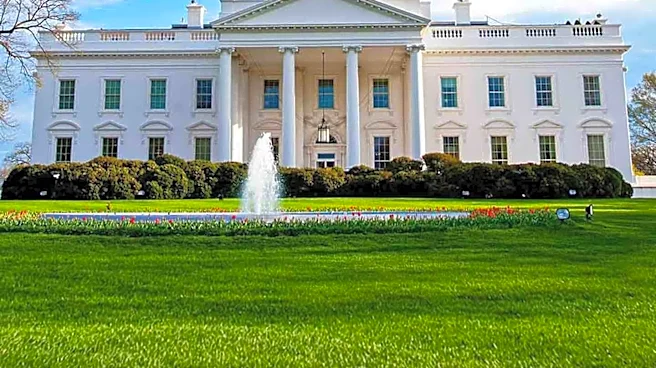
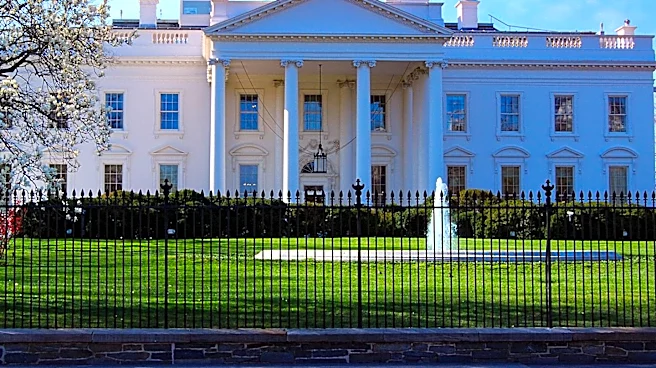
A federal judge has ordered the Trump administration to temporarily reinstate the press badges for CNN, MS NOW, and Politico, allowing their reporters access to the White House. This decision came after President Trump had announced on Friday, September
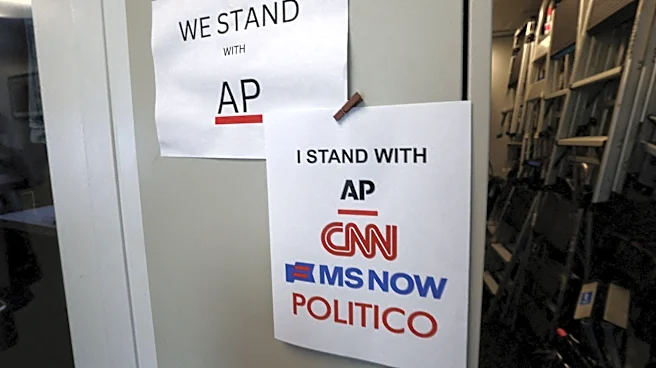
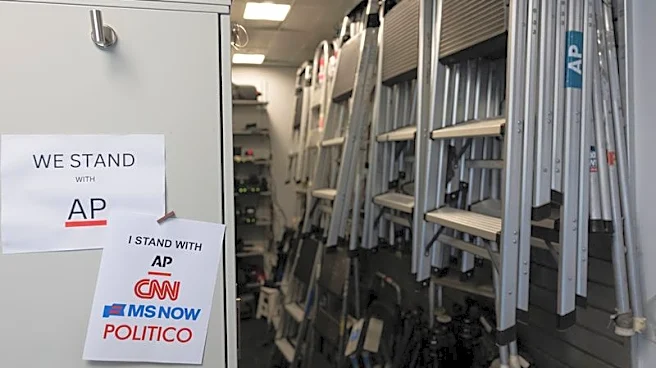
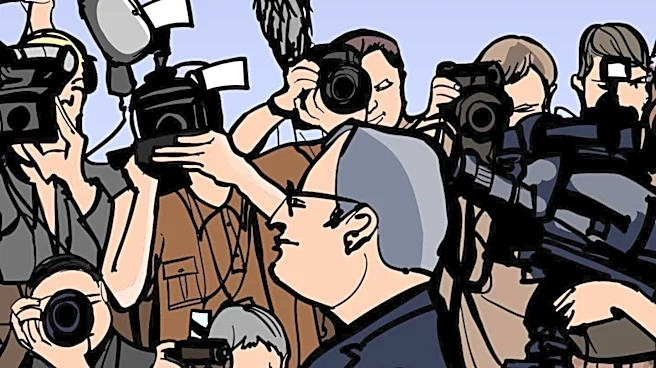
18, that he was banning these news outlets from accessing the White House. Following the ban, CNN reporter Betsy Klein was denied access and had her press pass seized. The three news organizations subsequently filed a lawsuit, arguing that President Trump's ban violated the First Amendment and the Constitution's due process protections. Prior to the judge's ruling, CNN was also removed from pooled coverage responsibilities, which are typically shared among major news outlets, though other major television networks refused to replace the banned outlets in the White House pool crew. Federal Judge Timothy Kelly issued the order on Thursday, finding that the revocation of the reporters' press badges was done without 'constitutionally adequate due process.'
Why It's Important?
This ruling is a significant development for press freedom and the relationship between the White House and the media in the United States. The First Amendment guarantees freedom of the press, and the ability of journalists to access government officials and institutions is fundamental to their role in informing the public. The judge's finding of a lack of 'constitutionally adequate due process' underscores the importance of established legal procedures even in matters of White House press access. This case highlights the ongoing tension between a presidential administration's desire to control its message and the media's right to report freely. The refusal of other major television networks to replace the banned outlets in pooled coverage also demonstrates a collective stance within the press against what they perceived as an infringement on journalistic principles. The outcome reinforces the judiciary's role in upholding constitutional rights, even when they conflict with executive actions.
What's Next?
While the federal judge's order temporarily reinstates the press badges, the long-term implications for White House press access remain to be seen. The Trump administration may choose to appeal the ruling, leading to further legal battles. This situation could also prompt a reevaluation of the rules and procedures governing White House press credentials, potentially leading to more formalized guidelines to prevent similar disputes in the future. Media organizations will likely continue to monitor and challenge any actions perceived as restricting press freedom. The incident could also influence public discourse on the role of the media, the executive branch, and the judiciary in a democratic society. Depending on future developments, this case could set a precedent for how future administrations interact with the press and how courts intervene in such disputes.
Beyond the Headlines
This event delves into the deeper constitutional and democratic principles at play in the United States. The concept of a free press as a check on government power is a cornerstone of American democracy. When access is restricted, it raises concerns about transparency and accountability. The legal challenge brought by the news organizations highlights the importance of due process, ensuring that government actions are not arbitrary but follow established legal frameworks. Furthermore, the solidarity shown by other news outlets in refusing to fill the void left by the banned organizations speaks to a broader professional ethic within journalism to protect collective access and reporting capabilities. This incident could contribute to a larger conversation about the evolving nature of media-government relations in an era of heightened political polarization and the challenges of maintaining an informed citizenry.