






What's Happening?
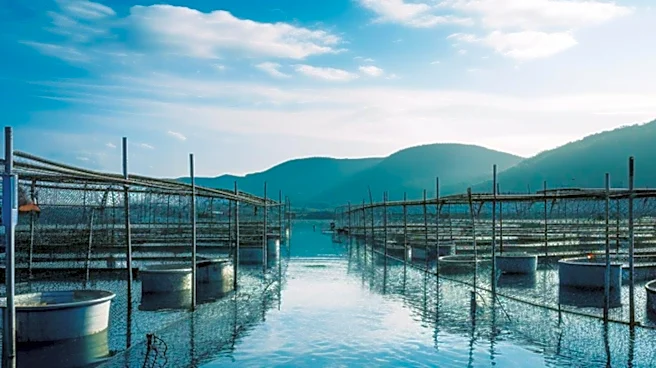
The Town of Oyster Bay is initiating a $7 million project to build a shellfish hatchery aimed at restoring depleted oyster and clam populations in local waters. Historically, Oyster Bay was abundant in shellfish, but pollution, predators, and overfishing
have severely reduced stocks. The hatchery will focus on spawning oysters and clams to replenish the waters, with the goal of producing tens of millions of baby shellfish annually. This initiative comes after the town ended its relationship with a private harvester and aims to revitalize the shellfish industry, which has been a significant part of the community's identity and economy.
Why It's Important?
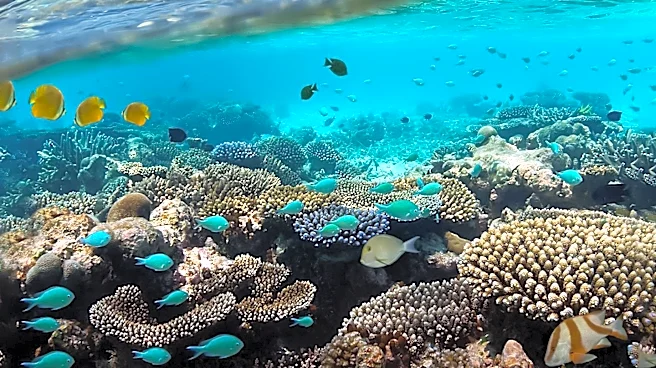
The hatchery project is crucial for the local economy and environmental sustainability. Shellfish play a vital role in maintaining water quality and supporting marine ecosystems. By restoring shellfish populations, Oyster Bay can enhance its economic prospects through increased commercial harvesting and aquaculture. The initiative also addresses broader environmental challenges, such as climate change and pollution, which have impacted shellfish stocks across the Eastern Seaboard. Successful implementation could serve as a model for other regions facing similar ecological and economic issues.
What's Next?
Construction of the hatchery is expected to begin next year, with the process of restoring shellfish populations anticipated to take several years. The town will focus on perfecting the scientific processes involved in hatchery operations, such as managing food supply, water temperatures, and acidity levels. In the meantime, smaller efforts, like reintroducing mature clams into protected areas, will continue to support shellfish recovery. The town's long-term strategy aims to create a self-sustaining shellfish population that can naturally reproduce and thrive.
Beyond the Headlines
The project highlights the challenges of balancing economic development with environmental conservation. As Oyster Bay invests in its shellfish industry, it must navigate the complexities of hatchery management and ecological restoration. The initiative underscores the importance of community involvement and collaboration with environmental organizations to achieve sustainable outcomes. It also raises awareness about the impact of human activities on marine ecosystems and the need for proactive measures to protect natural resources.