






What's Happening?
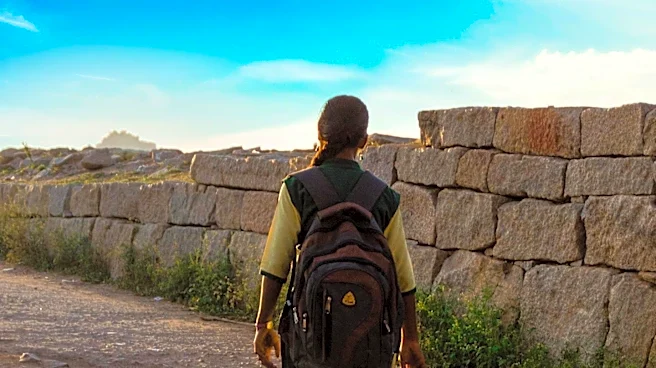
In India, a massive national immunization effort is underway to vaccinate 27 million children under five against polio. Women health workers play a crucial role, especially in remote areas like Kashmir, where they travel long distances on foot to reach
isolated communities. These workers carry insulated boxes with oral polio vaccines, ensuring the cold chain is maintained. The oral vaccine, developed in the 1950s, provides communal immunity by preventing the virus from spreading in areas with limited access to clean water. The dedication of these women is vital to maintaining India's polio-free status, achieved in 2014.
Why It's Important?
The success of India's polio eradication campaign demonstrates the power of coordinated public health efforts and the critical role of frontline workers. The program not only protects millions of children from a debilitating disease but also strengthens community health systems. The commitment of these women highlights the importance of gender roles in healthcare delivery, especially in challenging environments. Their work ensures that even the most remote populations receive life-saving vaccines, contributing to global health security and showcasing a model for other countries battling infectious diseases.