



What's Happening?
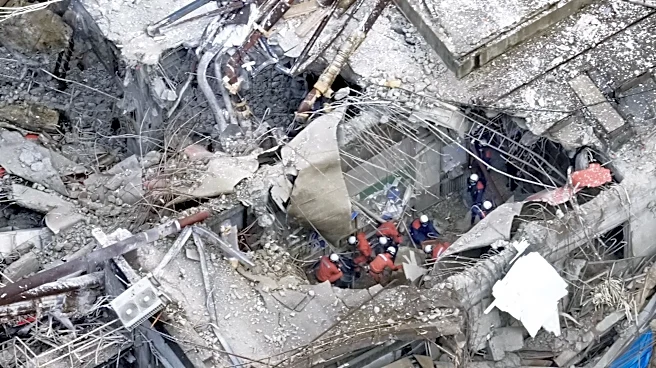
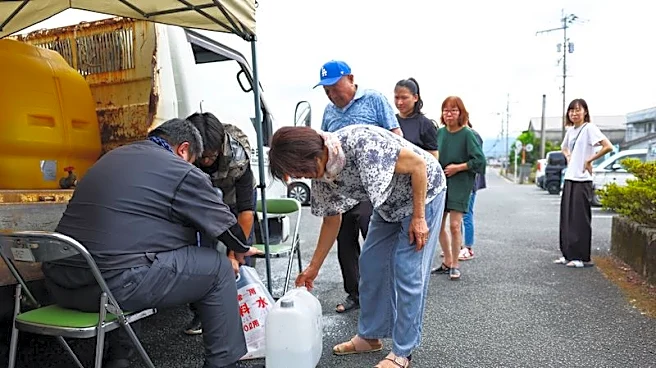
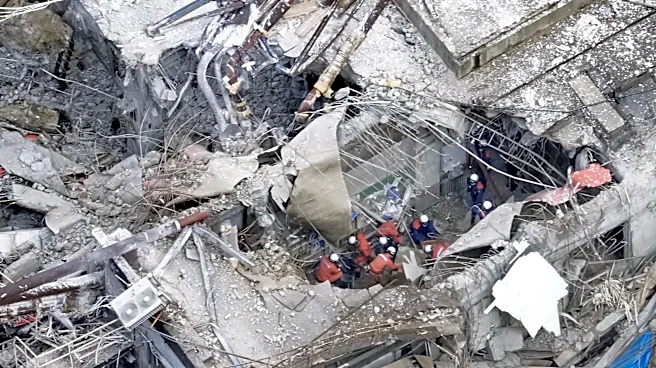
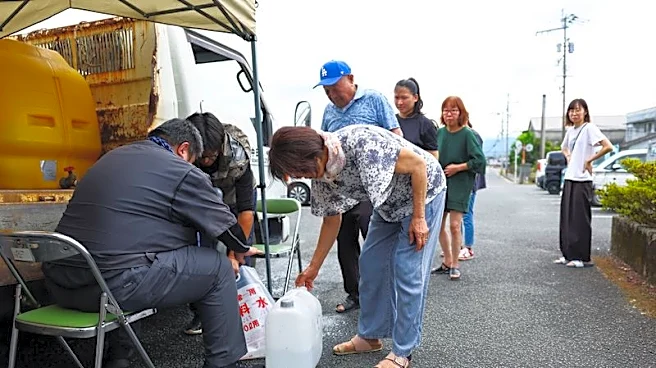
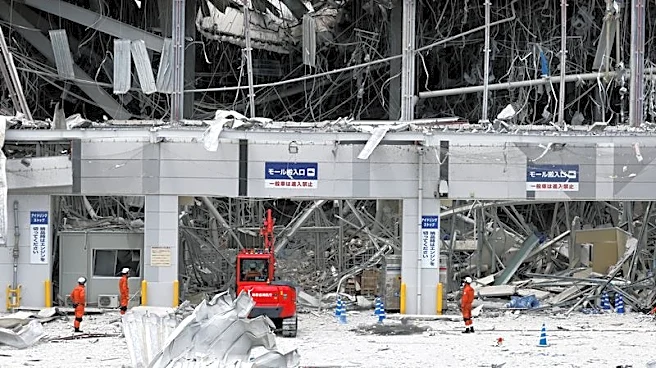
A powerful earthquake struck southwestern Japan, causing significant disruption and a rising death toll, now at 34. Thousands of survivors are facing harsh conditions, including shortages of water and fuel, while enduring high summer temperatures. The
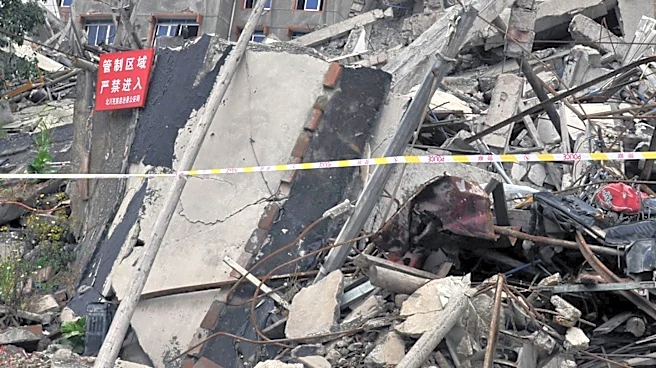
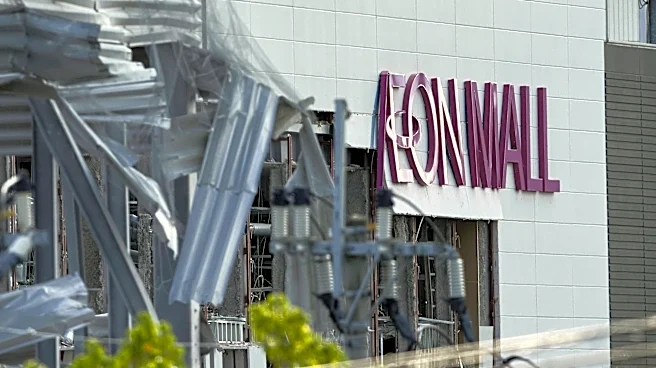
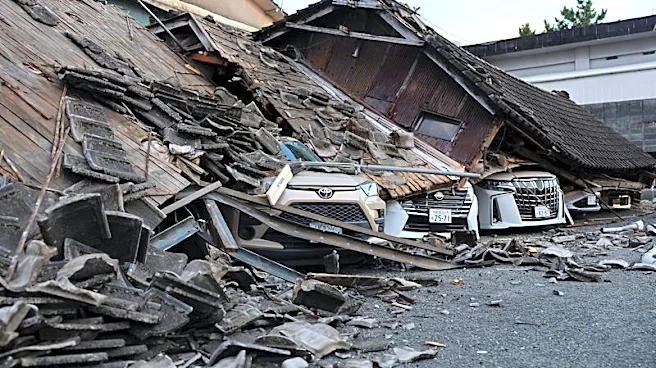
earthquake, which hit the southern main island of Kyushu, has damaged over 1,500 buildings, with 179 completely destroyed. Rescue operations are ongoing, with the number of missing persons still unknown. The quake has also impacted industrial operations, particularly in Kumamoto, a major industrial hub. The Taiwan Semiconductor Manufacturing Company, a key player in the global chip industry, reported that its operations in Kumamoto are gradually resuming after safety inspections.
Why It's Important?
The earthquake's impact extends beyond immediate human suffering, potentially affecting global supply chains. Kumamoto's role as an industrial hub means disruptions could affect semiconductor and auto-parts production, critical components in various industries worldwide. The situation highlights the vulnerability of global supply chains to natural disasters, emphasizing the need for robust contingency planning. Additionally, the disaster underscores the challenges of emergency response in densely populated areas, where infrastructure damage can exacerbate human suffering and delay recovery efforts.
What's Next?
Authorities are focused on securing water supplies and restoring essential services. The Japanese government, led by Prime Minister Sanae Takaichi, is coordinating with military and other agencies to address immediate needs. As rescue operations continue, the focus will shift to rebuilding and assessing long-term impacts on the local economy and infrastructure. The industrial sector, particularly companies like Taiwan Semiconductor Manufacturing Company, will need to evaluate and mitigate the quake's impact on their operations.