







What's Happening?
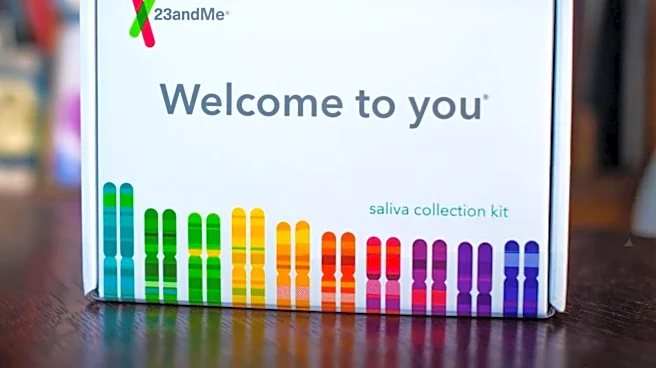
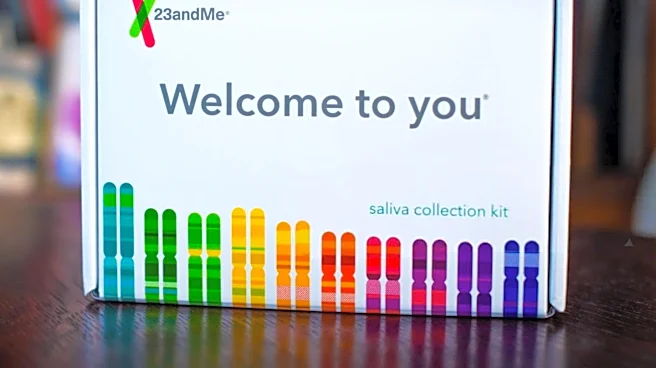
Pharmacogenomic testing is emerging as a crucial tool in personalized medicine within the U.S. healthcare landscape. This testing involves analyzing a patient's genetic makeup to predict their response to various medications. By examining genetic variations
that influence drug metabolism, efficacy, and safety, healthcare providers can gain insights to guide treatment decisions. The goal is to optimize drug therapy and minimize adverse drug reactions, moving away from a one-size-fits-all approach to medication. This field is rapidly evolving due to advancements in genetic sequencing and analysis technologies, drawing significant attention from the healthcare community. The insights derived from these tests enable more informed decision-making regarding drug prescriptions, allowing providers to select medications that are most effective and least hazardous for individual patients based on their unique genetic profiles.
Why It's Important?
The integration of pharmacogenomic testing holds significant importance for the U.S. healthcare system by enhancing treatment efficacy and reducing adverse drug reactions. By identifying genetic markers linked to drug response, healthcare professionals can prescribe medications with a higher probability of positive outcomes, thereby improving patient health. This approach also helps identify patients at risk of adverse drug reactions, allowing for adjustments in dosages or the selection of alternative therapies, which can prevent severe complications and reduce healthcare costs. While the initial investment in pharmacogenomic testing might seem substantial, it can lead to long-term savings by avoiding ineffective treatments, minimizing hospitalizations due to complications, and improving overall patient compliance with medication regimens. Enhanced compliance, driven by fewer side effects and better therapeutic results, ultimately leads to improved health outcomes and reduced long-term treatment expenses.
What's Next?
The future of pharmacogenomic testing in the U.S. is expected to see continuous expansion and integration with advanced technologies. Ongoing research and technological advancements are continually broadening the understanding of genetics and drug responses, which will lead to more sophisticated testing methods. The applications of pharmacogenomic testing are anticipated to extend beyond current uses, encompassing a wider range of therapeutic areas such as oncology, cardiology, and psychiatry. Furthermore, combining pharmacogenomic testing with artificial intelligence and big data analytics is projected to improve predictive models of drug response and enhance patient stratification. Healthcare providers will need to stay informed about new genetic discoveries and their clinical relevance, emphasizing continuous education and collaboration within this specialized domain to enhance patient care.
Beyond the Headlines
Beyond the immediate clinical benefits, pharmacogenomic testing introduces deeper implications for healthcare ethics, policy, and patient empowerment in the U.S. The ability to tailor treatments based on individual genetic profiles raises questions about data privacy and the secure management of sensitive genetic information. Policymakers will need to address regulatory frameworks to ensure equitable access to these advanced tests and to establish guidelines for their appropriate use in clinical practice. Culturally, this shift towards personalized medicine could empower patients by providing them with a more active role in their treatment decisions, fostering a more collaborative relationship with their healthcare providers. However, it also necessitates clear communication and education to ensure patients understand the complexities and implications of their genetic information, avoiding potential misunderstandings or anxieties related to genetic predispositions. The long-term shift could redefine the standard of care, making genetically informed treatment a routine expectation.