







What's Happening?
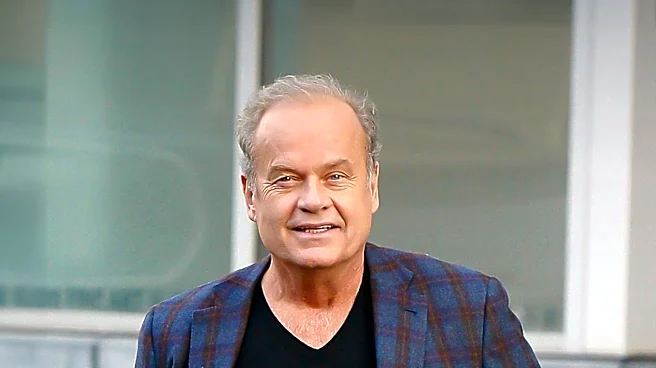
Kelsey Grammer, the acclaimed actor known for his role as Dr. Frasier Crane, has voiced strong criticisms regarding Democratic governance in California and the political environment within Hollywood. During an appearance on The Katie Miller Podcast, Grammer asserted
that Democratic policies have rendered California 'impossible' to live in, citing unaffordability and a decline in the state's film industry support. He mentioned that his own family has resorted to homeschooling their children due to dissatisfaction with the public school system. Grammer also claimed that many conservatives in Hollywood remain 'closeted' about their political views to safeguard their careers, suggesting that political alignment, rather than merit, sometimes influences industry decisions. He indicated that his conservative stance might have cost him roles, though he cannot confirm it directly. Additionally, Grammer revealed his involvement in 'The American Revelation,' a civics-led education project aimed at countering what he perceives as negative portrayals of American history in schools, and hinted at a potential future political run.
Why It's Important?
Grammer's remarks highlight a growing sentiment among some public figures regarding the political and economic landscape of California and the entertainment industry. His critique of California's Democratic policies, particularly concerning affordability and the film industry's exodus, reflects broader concerns about the state's economic competitiveness and quality of life. If more prominent figures echo these sentiments, it could intensify public debate and potentially influence future policy discussions in California. Within Hollywood, his assertion about 'closeted' conservatives underscores ongoing tensions regarding political expression and potential professional repercussions, raising questions about diversity of thought in the industry. This could encourage more open dialogue about political tolerance or further entrench existing divisions. His involvement in a civics education project also signals a desire to influence public discourse on American history and values, potentially impacting educational approaches and national identity narratives.
What's Next?
Following Grammer's public statements, it is likely that his comments will continue to fuel discussions among conservative media outlets and potentially draw responses from California political figures or Hollywood industry leaders. His involvement with 'The American Revelation' project suggests a continued effort to promote his views on civics education, with the launch of its mobile app, video series, and book expected to garner attention. Should he decide to pursue a political career, his past public statements and conservative platform would likely form the basis of his campaign, potentially attracting support from like-minded voters. The entertainment industry may also face renewed scrutiny regarding its perceived political leanings and the treatment of individuals with differing viewpoints. The ongoing debate about California's economic policies and the film industry's future in the state is also likely to persist, with Grammer's comments adding to the existing dialogue.
Beyond the Headlines
Grammer's commentary touches upon deeper societal trends, including the increasing polarization of political discourse and its impact on professional environments. His observations about Hollywood's political climate raise questions about the extent to which personal political beliefs influence career opportunities and artistic expression in creative industries. This could lead to broader conversations about ideological conformity versus intellectual diversity in cultural institutions. Furthermore, his engagement in a civics education project reflects a concern among some about the perceived erosion of traditional American values and historical narratives, pointing to a cultural battle over how the nation's past is taught and understood. This broader cultural conflict has implications for national unity and the future direction of educational curricula, potentially leading to increased advocacy for alternative educational resources and historical interpretations.