
What's Happening?
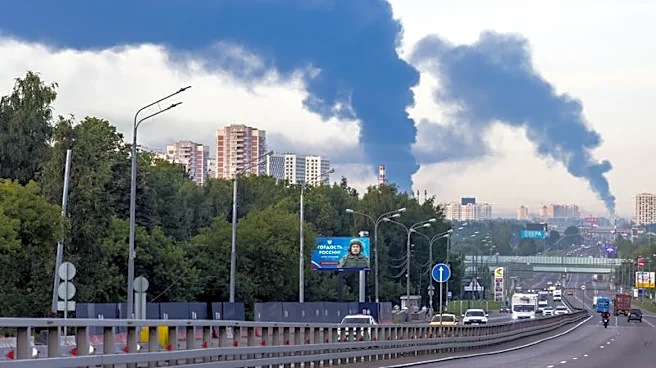
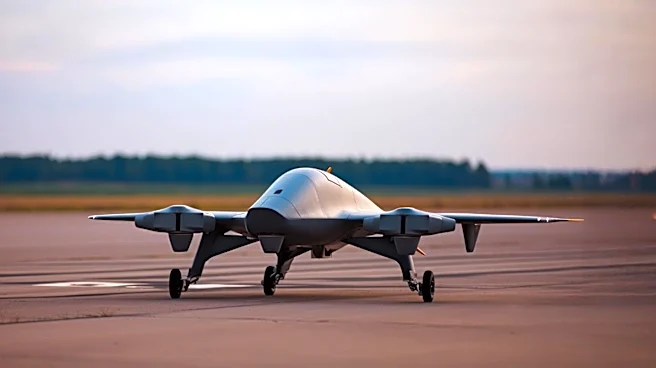
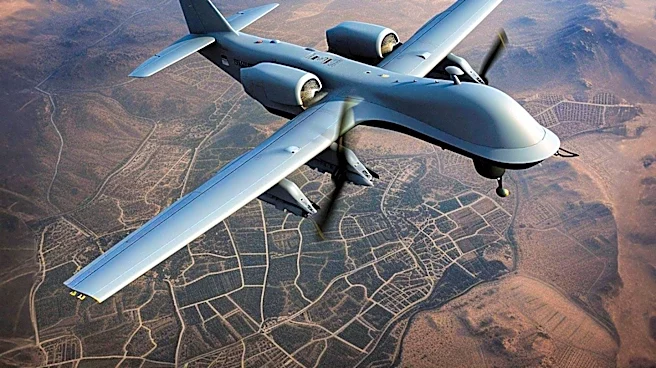
Russian forces are increasingly employing low-altitude, manually controlled drone strikes to bypass Ukrainian air defenses. This tactical shift involves guiding drones at altitudes as low as 22 meters
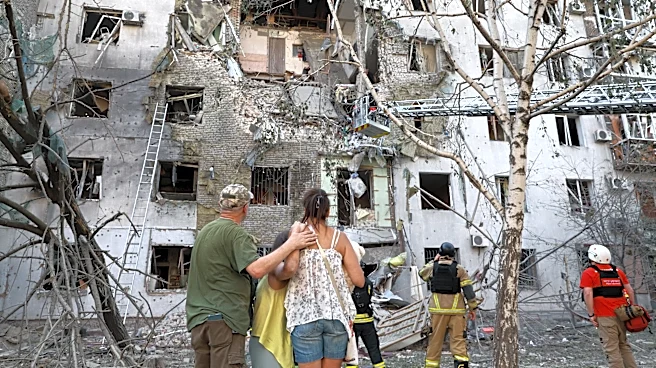
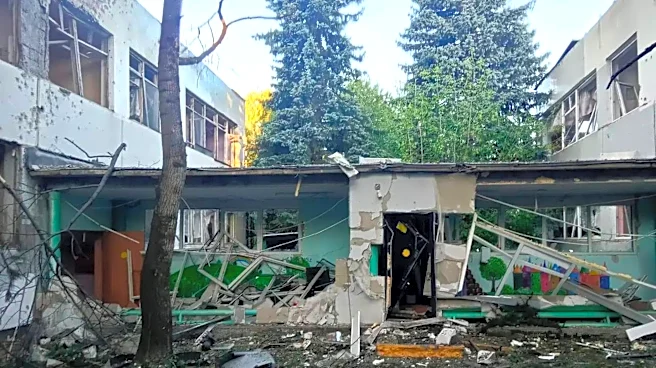
to avoid detection by radar and interceptor systems. The change in strategy comes amid ongoing large-scale aerial assaults, with Russia launching numerous drones and missiles against Ukraine. Ukrainian forces have managed to intercept a significant number of these drones, but the evolving tactics require rapid adaptation of countermeasures.
Why It's Important?
The shift to low-altitude drone operations highlights the dynamic nature of modern warfare, where both sides continuously adapt their strategies to gain an advantage. For Ukraine, this presents a challenge in maintaining effective air defenses against increasingly sophisticated and evasive drone tactics. The development underscores the importance of technological innovation in military operations, as both Russia and Ukraine seek to leverage advancements in drone technology to achieve their objectives. The broader implications include the potential for increased investment in counter-drone technologies and the need for international cooperation to address the challenges posed by drone warfare.
What's Next?
As Russia continues to refine its drone tactics, Ukraine will likely invest in advanced detection and interception technologies to counter these threats. The international community may also play a role in supporting Ukraine's defense efforts, providing technological and strategic assistance. Additionally, the ongoing conflict could prompt other nations to reassess their own military strategies and capabilities, leading to increased focus on drone technology and countermeasures. The situation may also influence global discussions on the regulation and use of drones in warfare.