




What's Happening?
Researchers at the University of California San Diego have identified specific changes in the gut microbiome associated with exceptional longevity. A study published on November 16, 2026, in *Cell Metabolism* suggests that certain alterations in gut bacteria
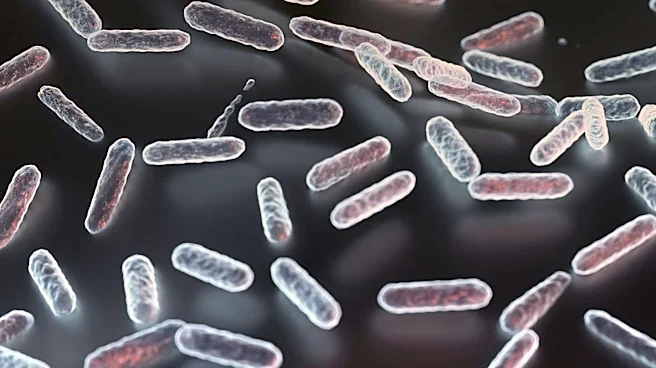
as individuals age may represent protective adaptations that help maintain metabolic function. The research focused on how gut microbes modify bile acids, which are substances produced by the liver that aid in fat digestion and act as signaling molecules. Gut bacteria produce enzymes called bile salt hydrolases (BSH) that modify these bile acids, influencing metabolic pathways, inflammation, and the body's internal clock. By comparing young and aged mice, researchers found that older mice exhibited increased microbial activity related to BSH and greater bile acid modification. Similar patterns were observed in human centenarians, who showed higher ratios of certain modified bile acids and a greater abundance of a gene associated with BSH activity compared to younger and older adult groups. Further experiments involved engineering bacteria to produce this enzyme in mice, leading to improved insulin sensitivity, glucose tolerance, lower body weight, and reduced fat mass.
Why It's Important?
This research is significant because it offers new insights into the mechanisms of healthy aging and could potentially lead to novel strategies for preserving metabolic health. The identification of specific gut microbiome functions linked to longevity opens avenues for targeted interventions. Instead of attempting to overhaul the entire gut microbiome, future approaches might focus on selectively enhancing beneficial microbial activities. This could involve dietary modifications, probiotics, or other therapeutic strategies designed to promote the specific microbial functions observed in centenarians. If these findings can be translated to humans, they could have a profound impact on public health by contributing to the development of methods to extend healthspan and reduce the incidence of age-related metabolic diseases. The study also highlights the complex interplay between diet, environment, physiology, and the microbiome in determining health outcomes in older age.
What's Next?
Future research will delve deeper into understanding the precise mechanisms by which different forms of BSH influence bile acid metabolism, inflammation, and energy use. Researchers also plan to investigate whether the observed metabolic benefits in mice translate into a longer lifespan and if similar effects can be replicated in female mice. A critical next step involves identifying which specific bile acid changes are responsible for the metabolic improvements seen in the animal models. While the human analysis is associative, further studies involving human participants will be crucial to determine if increased BSH activity directly contributes to healthier aging or is merely a correlative factor. Before any probiotic products based on these findings are commercialized, additional studies demonstrating their safety and efficacy in humans will be necessary, especially given that secondary bile acids have been associated with colon cancer.
Beyond the Headlines
The study's findings underscore the growing understanding of the gut microbiome as a critical determinant of overall health and longevity. Beyond the immediate implications for metabolic health, this research contributes to a broader paradigm shift in medicine, moving towards personalized interventions that consider an individual's unique microbial ecosystem. The concept of 'microbiome engineering'—selectively enhancing specific microbial functions—could revolutionize how age-related diseases are prevented and treated. This approach also raises ethical considerations regarding the manipulation of the human microbiome and the potential for unintended long-term consequences. Furthermore, the study highlights the potential for interdisciplinary research, combining microbiology, metabolism, and gerontology, to unlock complex biological secrets. The focus on centenarians provides a natural model for studying successful aging, offering clues that could benefit the wider population.