


What's Happening?
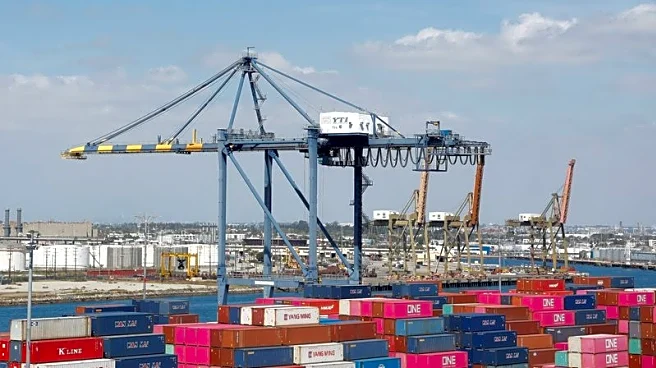
The Trump administration has taken measures to address rising energy costs in the United States, which have surged due to disruptions in the Middle East. The administration announced a temporary waiver of the Jones Act, a century-old shipping law, allowing
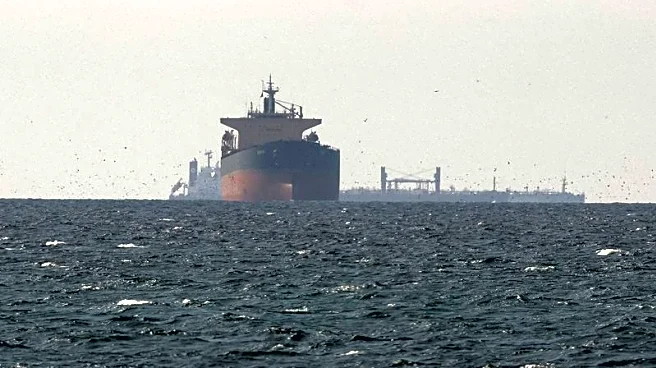
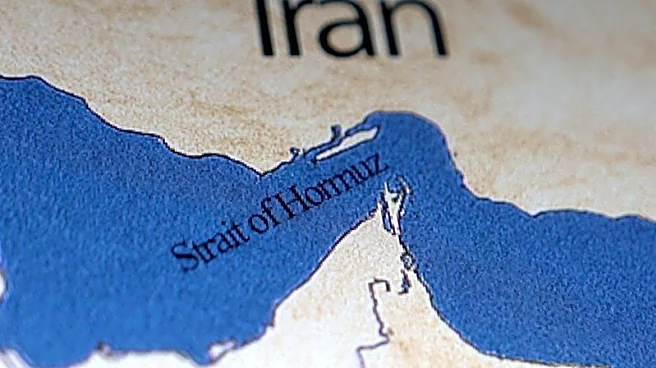
foreign-flagged vessels to transport cargo between U.S. ports for 60 days. This move aims to alleviate the impact of halted shipping through the Strait of Hormuz, a critical passage for global crude oil and liquefied natural gas, following U.S.-Israeli strikes on Iran. Additionally, the U.S. Treasury Department has issued a license to permit certain transactions between U.S. entities and Venezuela's state-owned oil company, PDVSA. These actions are intended to stabilize the oil market and support global energy supply chains.
Why It's Important?
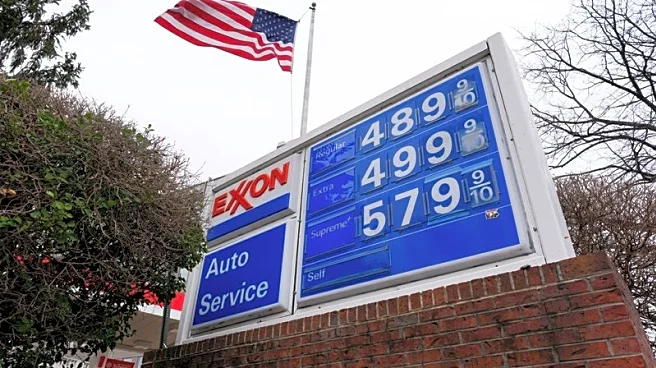
The measures taken by the Trump administration are significant as they aim to mitigate the economic impact of rising energy costs on American consumers, who are already facing high living expenses. By temporarily lifting the Jones Act, the administration seeks to increase the availability of shipping vessels, potentially easing supply chain bottlenecks and reducing transportation costs. The decision to ease sanctions on Venezuela's PDVSA could also increase the global oil supply, benefiting both the U.S. and Venezuela. However, experts caution that these actions may have limited impact on global energy markets and gas prices, as larger geopolitical forces continue to influence the situation.
What's Next?
The temporary waiver of the Jones Act is set for 60 days, during which the administration will monitor its effects on energy costs and supply chains. The ongoing conflict in the Middle East and its impact on global oil markets will likely continue to be a focus for U.S. policymakers. The administration's actions may prompt reactions from political leaders and industry stakeholders, who will be assessing the long-term implications of these temporary measures. The situation remains fluid, and further adjustments to U.S. energy policy may be necessary depending on developments in the region.