





What's Happening?
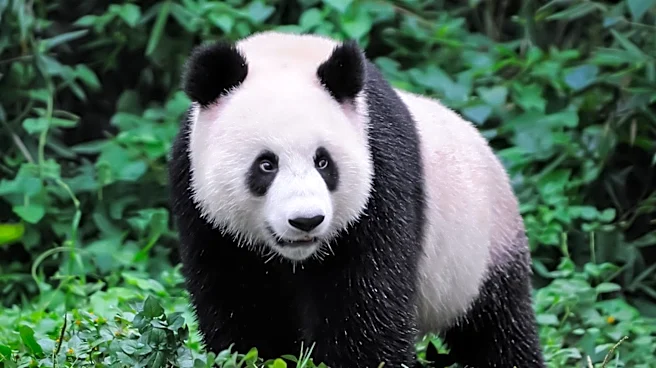
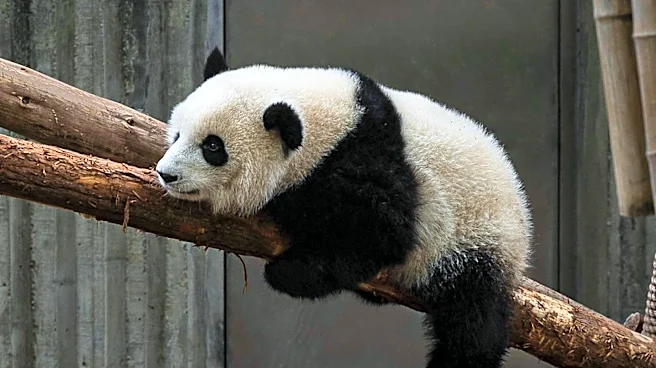
Zoo Atlanta officially opened the Arthur M. Blank Panda Grove on November 6, 2026, marking the public debut of its two new giant pandas, Ping Ping and Fu Shuang. These 6-year-old pandas, a male and a female, arrived in Atlanta on September 27 from the Chengdu
Research Base of Giant Panda Breeding in China. Their arrival follows a month-long quarantine period to allow them to adjust to their new environment. The new habitat is the result of a $6 million renovation, funded by a grant from the Robert W. Woodruff Foundation, which expanded and upgraded the original giant panda spaces. The Arthur M. Blank Panda Grove features new climbing structures, pools in the dayrooms, water features with aquatic flora, and a redesigned tranquil complex. Zoo Atlanta is now one of only three zoos in the U.S. to house giant pandas and the sole zoological organization in the Southeast with the species. This new pair is in Atlanta under a new International Cooperative Research Agreement on Giant Panda Conservation between Zoo Atlanta and the China Wildlife Conservation Association.
Why It's Important?
The arrival of Ping Ping and Fu Shuang and the opening of the Arthur M. Blank Panda Grove signify a renewed commitment to giant panda conservation and international cooperation between the U.S. and China. This event re-establishes Zoo Atlanta's role as a key institution in global wildlife preservation efforts, particularly for an endangered species. The substantial investment in the new habitat underscores the importance placed on animal welfare and providing an enriching environment for the pandas, which in turn enhances the visitor experience and educational opportunities. For Atlanta, the pandas are a significant cultural and economic draw, attracting tourists and reinforcing the city's status as a major metropolitan center with world-class attractions. The continuation of 'panda diplomacy' through this new agreement also highlights ongoing diplomatic ties and goodwill between the two nations, despite broader geopolitical complexities, fostering people-to-people exchanges and shared conservation goals.
What's Next?
Following their public debut, Ping Ping and Fu Shuang will continue to acclimate to their new home in the Arthur M. Blank Panda Grove. Zoo Atlanta anticipates a significant increase in visitors, especially during the initial weeks, with special Members-Only Panda Mornings scheduled through November 22 to accommodate interest. The zoo will focus on monitoring the pandas' well-being and ensuring their continued adjustment to the renovated habitat. The new 10-year loan agreement for Ping Ping and Fu Shuang ensures that vital conservation work will continue, building on decades of shared knowledge and advancing understanding of the species. This period will also involve ongoing collaboration with Chinese partners on giant panda conservation research, contributing to global efforts to preserve these animals for future generations in the wild. The success of this new chapter will likely influence future international cooperative agreements in wildlife conservation.
Beyond the Headlines
The return of giant pandas to Zoo Atlanta, particularly after the previous pair returned to China in 2024, carries deeper implications beyond immediate conservation efforts. It symbolizes the enduring nature of cultural diplomacy and the power of shared scientific goals to bridge international divides. The 'panda diplomacy' initiative, a long-standing practice by China, uses these beloved animals as symbols of goodwill and cooperation, fostering positive relations at a subnational level even when national-level relations face challenges. The significant public excitement and investment in the Arthur M. Blank Panda Grove reflect a broader societal value placed on biodiversity and the emotional connection humans have with iconic species. This event also highlights the role of philanthropic contributions, such as the grant from the Robert W. Woodruff Foundation, in enabling major conservation projects and enhancing public institutions like zoos, which serve as critical centers for education, research, and species preservation.