







What's Happening?
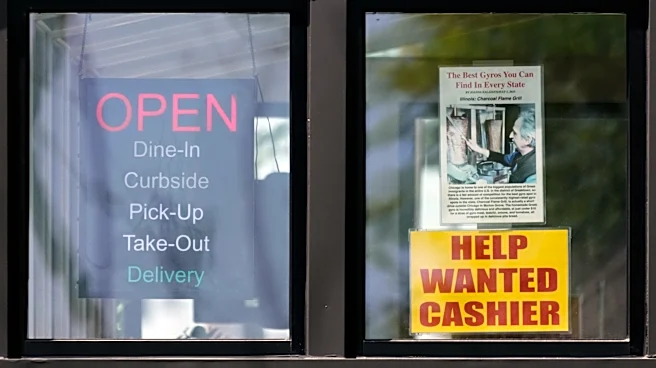
The U.S. Labor Department reported an increase in jobless claims to 215,000, up from 210,000 the previous week. Despite this rise, layoffs remain low, indicating that most U.S. companies have not resorted to significant job cuts. The four-week moving
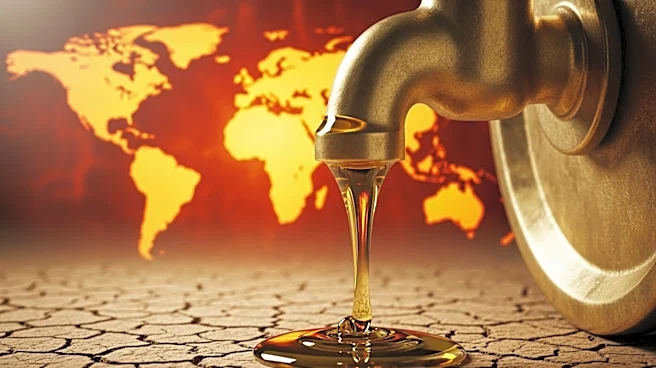
average of claims also increased slightly, reflecting ongoing economic uncertainty due to the Iran war. The conflict has led to higher energy prices, impacting consumers and businesses. However, job creation has seen a modest increase, with an average of 76,000 jobs added per month from January to April 2026. This is a notable improvement compared to the previous year, although still below pre-pandemic levels.
Why It's Important?
The stability in jobless claims suggests resilience in the U.S. labor market despite geopolitical tensions and economic challenges. The low level of layoffs indicates that businesses are maintaining their workforce, which is crucial for economic stability. However, the ongoing Iran conflict and resulting energy price hikes pose risks to economic growth and consumer spending. The situation underscores the interconnectedness of global events and domestic economic conditions, highlighting the need for strategic economic policies to mitigate potential negative impacts.
What's Next?
As the Iran conflict continues, the U.S. economy may face further challenges, particularly if energy prices remain high. Policymakers will need to monitor the situation closely and consider measures to support economic stability, such as energy subsidies or strategic reserves. Businesses may also need to adapt to changing conditions, potentially exploring alternative energy sources or cost-saving measures. The labor market's resilience will be tested, and future job reports will provide insights into the broader economic impact of the conflict.