
What's Happening?
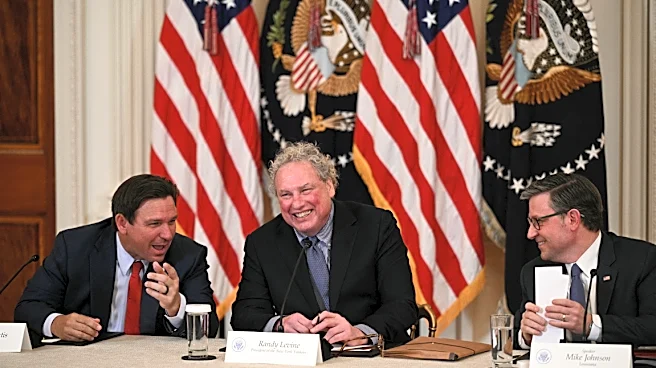
The Senate Commerce Committee is scheduled to hold a business meeting on November 18 to consider S.69, a bill designed to prevent governmental interference in content moderation decisions made by providers
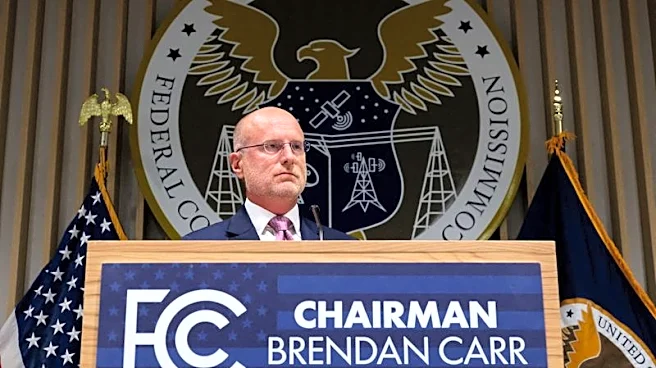
of interactive computer services. Senator Ted Cruz (R-TX) chairs the committee, with Senator Maria Cantwell (D-WA) serving as the ranking member. The agenda for this meeting also includes other legislative measures, such as bills concerning semiconductor equipment purchases, nucleic acid synthesis security, and Lifeline eligibility. Additionally, the committee will review four nominations, notably a candidate for a seat on the Federal Communications Commission (FCC). Lobbying disclosures indicate that Fox Corp. has reported significant spending on issues related to content moderation, including Section 230 of the Communications Decency Act, First Amendment concerns, spectrum, and media ownership, all of which are relevant to the committee's agenda and the FCC's purview.
Why It's Important?
The committee's vote on S.69 carries significant implications for the future of online speech and platform governance in the United States. If advanced, the bill could establish new legal frameworks defining the boundaries of government interaction with social media companies and other online service providers regarding content moderation. This directly impacts the ongoing national debate about free speech, censorship, and the role of tech companies in regulating online discourse. The simultaneous consideration of an FCC nomination further highlights the broader regulatory landscape for telecommunications and media. The substantial lobbying efforts by entities like Fox Corp. underscore the high stakes involved for media organizations and tech platforms, as potential changes to Section 230 or new regulations on content moderation could significantly alter their operational models and legal liabilities. The outcome of this committee meeting could set precedents for how online content is managed and how governmental oversight is applied in the digital sphere.
What's Next?
On November 18, the Senate Commerce Committee members will vote on whether to advance S.69 and the other listed bills and nominations. If S.69 is approved by the committee, it will then proceed to the full Senate for further debate and a potential vote. The FCC nomination, if approved by the committee, would also move to the Senate floor for confirmation. The legislative process for S.69 could involve amendments, further hearings, and significant debate, given the contentious nature of content moderation and free speech issues. Stakeholders, including tech companies, civil liberties groups, and media organizations, will closely monitor these proceedings, potentially intensifying their lobbying efforts or public advocacy campaigns. The outcome of these votes will signal the legislative direction on critical issues affecting the internet, telecommunications, and media regulation in the United States.
Beyond the Headlines
The debate surrounding S.69 delves into fundamental questions about the balance between free speech, platform responsibility, and governmental authority in the digital age. Beyond the immediate legislative impact, this bill touches upon the evolving interpretation of the First Amendment in online spaces and the role of private companies as arbiters of public discourse. The discussion around 'governmental interference' raises complex legal and ethical questions about what constitutes appropriate oversight versus undue influence on private platforms. Furthermore, the interplay between content moderation legislation and FCC nominations highlights the interconnectedness of policy decisions across different regulatory bodies. The outcome could shape not only how online platforms operate but also public trust in digital information, potentially influencing future legislative efforts to address misinformation, hate speech, and other online harms. This legislative push reflects a broader societal struggle to adapt traditional legal frameworks to the unique challenges of the internet.