




What's Happening?
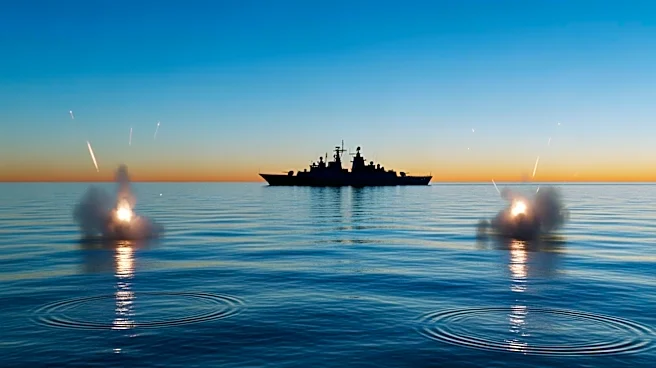
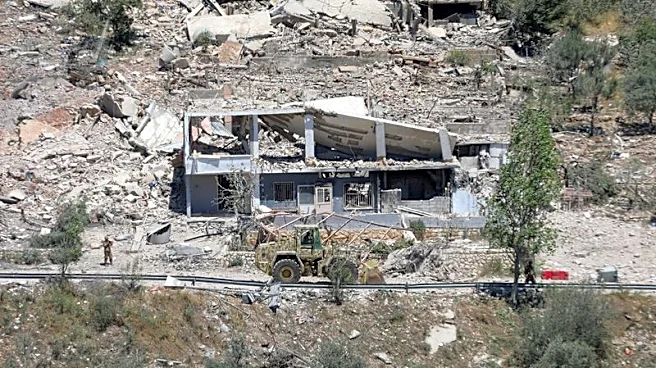
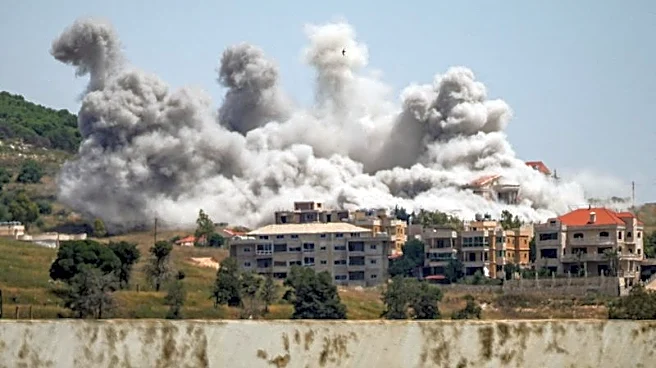
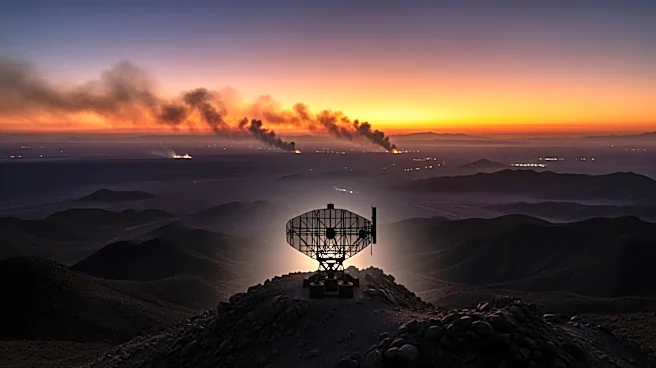
The ceasefire between the United States and Iran, in effect since April 8, is facing renewed challenges as both sides engage in military strikes. The conflict has involved U.S. attacks on Iran and Iranian retaliation on Kuwait and Bahrain, alongside Israeli
actions in Lebanon. The situation is complicated by a lack of trust and direct communication between the U.S. and Iran, with negotiations moving through regional mediators. The ceasefire, intended to prevent a return to all-out war, risks becoming a prolonged stalemate with significant international economic and political consequences.
Why It's Important?
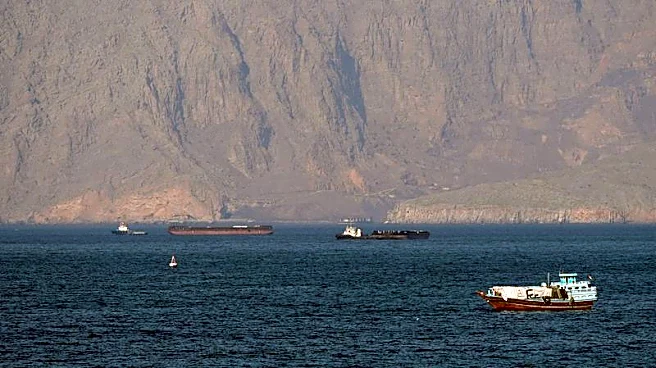
The ongoing tensions between the U.S. and Iran have far-reaching implications for global security and economic stability. The conflict threatens to disrupt energy markets, leading to higher oil prices and inflationary pressures. The situation also challenges U.S. foreign policy and its ability to maintain peace in the Middle East. The lack of direct communication and trust between the parties complicates efforts to achieve a lasting peace agreement. The ceasefire's fragility highlights the challenges in addressing the underlying issues and achieving a durable resolution.
What's Next?
Efforts to stabilize the ceasefire will require increased diplomatic engagement and direct communication between the U.S. and Iran. The international community will be monitoring the situation closely, as any further escalation could have significant implications for global security and economic stability. The outcome of the negotiations will be critical in determining the future of the ceasefire and the potential for a broader peace agreement. Both sides will need to demonstrate leadership and compromise to achieve a lasting resolution.