







What's Happening?
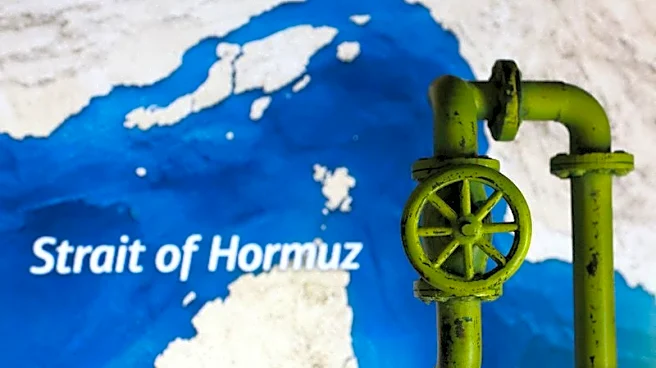
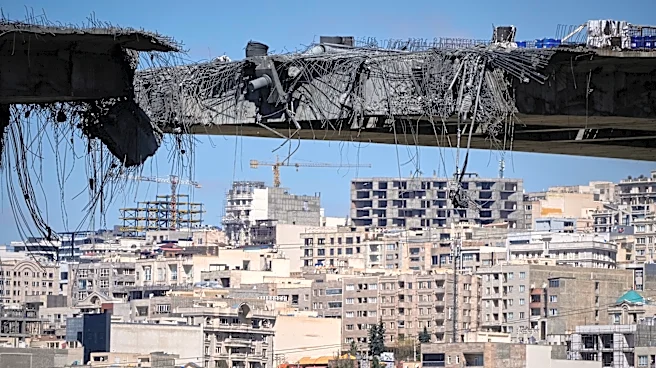
The ongoing war with Iran poses significant challenges to China's Belt and Road Initiative (BRI), a multi-trillion-dollar infrastructure project aimed at enhancing global trade connectivity. Iran, a key node in the BRI, is now a high-risk area due to the conflict,
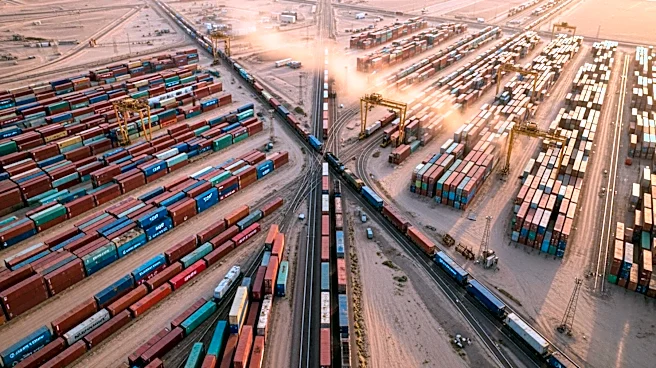
affecting Chinese investments in infrastructure and energy sectors. The war has disrupted the flow of goods and services, forcing China to reconsider its reliance on the Middle East corridor and explore alternative routes through Central Asia and Southeast Asia.
Why It's Important?
The disruption of the BRI due to the Iran conflict underscores the vulnerability of global infrastructure projects to geopolitical tensions. China's strategic shift from expansion to resilience highlights the need for risk management in international investments. The conflict's impact on the BRI could slow China's economic growth and its ambitions to become a leading global superpower. Additionally, the instability in the Middle East may lead to increased energy prices and supply chain disruptions, affecting global markets.
What's Next?
China is likely to focus on diversifying its trade routes and reducing its dependence on volatile regions. This strategic pivot may involve increased investments in Central Asia and maritime routes, as well as strengthening ties with other BRI partner countries. The long-term success of the BRI will depend on China's ability to navigate geopolitical challenges and maintain stable trade corridors. The international community will be watching closely to see how China adapts its strategy in response to the ongoing conflict.