








What's Happening?
Oregon pink shrimp, scientifically known as Pandalus jordani, has maintained its certification as a sustainable seafood source for nearly 20 years. This certification stands in contrast to the majority of shrimp consumed in the U.S., with over 90% being
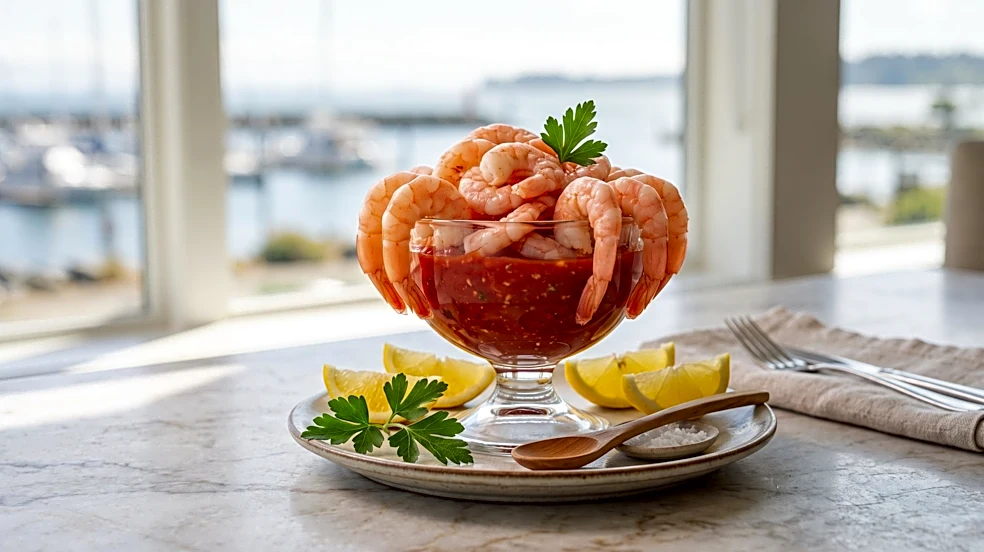
imported and often originating from poorly regulated aquaculture practices that can cause environmental damage and contamination. Local fishers in Oregon harvest approximately 20 million pounds of these small crustaceans annually between April and October. Despite the seasonal harvest, the shrimp are processed and frozen immediately, ensuring their availability year-round. The average American consumes nearly 5 pounds of shrimp each year. The article also touches on the historical origins of seafood cocktails, noting that the concept of a seafood dish with a mildly spicy sauce originated on the West Coast in the late 1800s, initially with oysters and later evolving to include shrimp with the advent of better refrigeration and tomato-based sauces. A recipe for a simple, homemade shrimp cocktail sauce is provided, emphasizing fresh ingredients over store-bought alternatives.
Why It's Important?
The sustained certification of Oregon pink shrimp as a sustainable seafood source is significant for both environmental conservation and consumer choice in the U.S. seafood market. It provides a reliable, environmentally responsible option for consumers concerned about the ecological impact of their food, especially given the widespread issues associated with imported, farmed shrimp. This local, sustainable fishery supports regional economies and provides a model for responsible aquaculture and fishing practices. For the average American, who consumes a substantial amount of shrimp annually, knowing there's a domestically sourced, sustainable option can influence purchasing decisions and promote healthier ecosystems. Furthermore, the year-round availability of processed and frozen Oregon pink shrimp ensures that this sustainable choice is accessible beyond its harvest season, contributing to food security and consistent market supply. The historical context of shrimp cocktails also highlights the long-standing cultural integration of shrimp into American cuisine, making the sustainability aspect even more relevant to a popular food item.
What's Next?
The continued certification and availability of Oregon pink shrimp as a sustainable seafood option suggest a stable future for this fishery. Consumers can expect to find these shrimp year-round, supporting both local fishers and environmentally conscious practices. The emphasis on sustainable sourcing may encourage more consumers to seek out and demand domestically sourced, certified seafood, potentially influencing broader market trends and encouraging other fisheries to adopt similar sustainable practices. Educational efforts, such as those implicitly provided by articles like this one, could further increase awareness and demand for sustainable seafood. For the Oregon fishing industry, maintaining this certification will likely remain a priority, ensuring the long-term viability of their operations and the health of the Pandalus jordani population. The ongoing availability of recipes and cooking suggestions for shrimp, such as the shrimp cocktail, will continue to promote its consumption within a sustainable framework.
Beyond the Headlines
The story of Oregon pink shrimp extends beyond mere sustainability; it touches upon broader themes of food sovereignty, environmental stewardship, and consumer education. In an era where global supply chains are often opaque and environmental concerns are paramount, a certified sustainable domestic product offers a tangible alternative. This also highlights the role of scientific research (Pandalus jordani for biology enthusiasts) and regulatory bodies in ensuring the health of marine ecosystems and the integrity of food sources. The contrast with poorly regulated imported shrimp underscores the ethical dimensions of food consumption and the potential for consumers to drive change through their purchasing power. Furthermore, the historical anecdote about shrimp cocktails illustrates how food traditions evolve with technological advancements like refrigeration, linking culinary heritage with modern sustainability efforts. This narrative encourages a deeper appreciation for the journey of food from ocean to plate and the complex interplay of ecological, economic, and cultural factors.