




What's Happening?
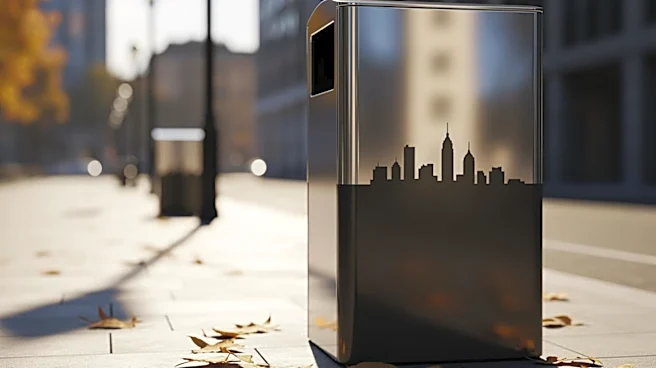
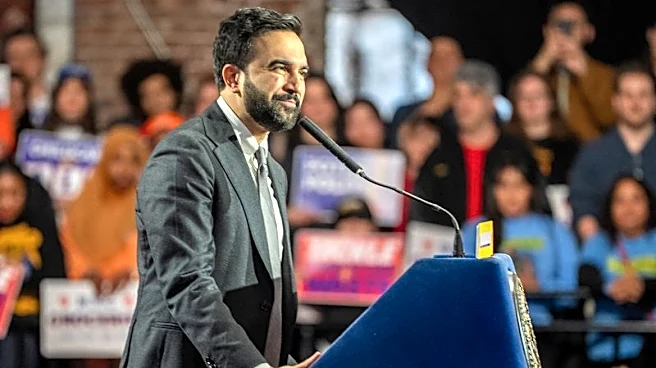
Mayor Zohran Mamdani has announced the expansion of the Empire Bin Initiative, a program originally launched under the administration of his predecessor, Eric Adams. This initiative aims to reduce the amount of trash bags on New York City sidewalks by
introducing stationary garbage bins. The expansion will cover six districts, bringing these bins to 25,000 residences in larger buildings across the city. The neighborhoods included in this phase are Prospect Heights and Crown Heights in Brooklyn, Hunts Point in the Bronx, the West Village and SoHo in Manhattan, Sunnyside and Hunters Point in Queens, and Shore Acres in Staten Island. The program requires higher-density buildings to use these bins, which are designed for easy collection by side-loading trash trucks. The expansion is expected to be operational by the end of 2027.
Why It's Important?
The expansion of the Empire Bin Initiative is significant as it addresses the persistent issue of trash accumulation on city sidewalks, which has been a concern for both residents and city officials. By implementing a more organized waste management system, the initiative aims to improve the cleanliness and aesthetic appeal of New York City streets. Additionally, the program is expected to reduce rat sightings, a common problem associated with exposed trash bags. However, the initiative also presents financial challenges, as it is projected to add over $50 million to the city's budget amidst a $5.4 billion shortfall. The program's success could set a precedent for other urban areas facing similar waste management issues.
What's Next?
The next steps for the Empire Bin Initiative involve the full implementation of the program by 2031. As the expansion progresses, city officials will need to address the financial implications and potential public resistance, particularly concerning the cost of bins and the reduction of parking spaces. Mayor Mamdani has indicated that the city will continue to seek solutions to the budget gap, including potential revenue from a new tax on multi-million dollar second homes. The administration will also need to monitor the program's impact on street cleanliness and public satisfaction to ensure its long-term viability.