






What's Happening?
A new study published in Nature's Communications Earth and Environment journal attributes approximately half of the Western U.S.'s water loss from 2014 to 2024 to emissions from 122 fossil fuel companies and cement producers, collectively termed 'carbon
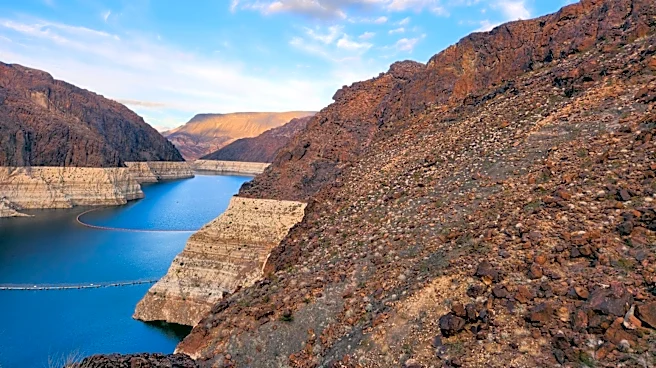
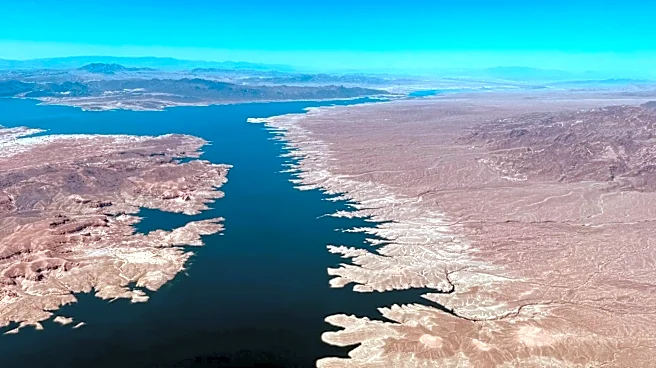
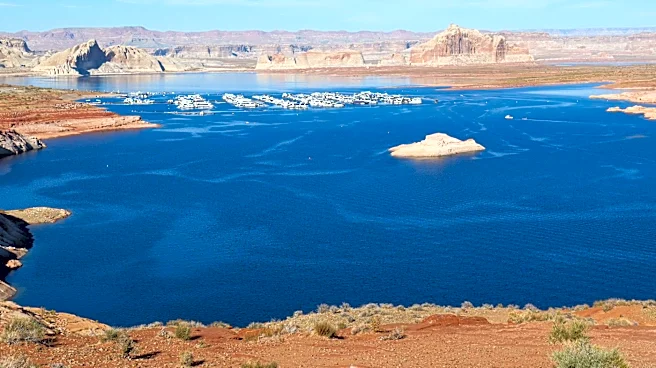
majors.' During this decade, the region experienced a decline of over a third in its typical annual snowpack and a 13% decrease in streamflows. The study, co-authored by Carly Phillips, a senior research scientist at the Union of Concerned Scientists, found that this pollution has depleted the West of trillions of gallons of water, equivalent to the full capacity of Lake Mead. The research utilized attribution science to link greenhouse gas emissions, primarily from fossil fuels, to extreme weather events and environmental changes. It highlights that rising temperatures lead to more precipitation falling as rain instead of snow, earlier snowmelt, and increased evaporation, ultimately reducing water availability in rivers, dams, and irrigation canals. The Colorado River basin, in particular, saw a 76% drop in snow water equivalent and a 21% decline in streamflow during this period.
Why It's Important?
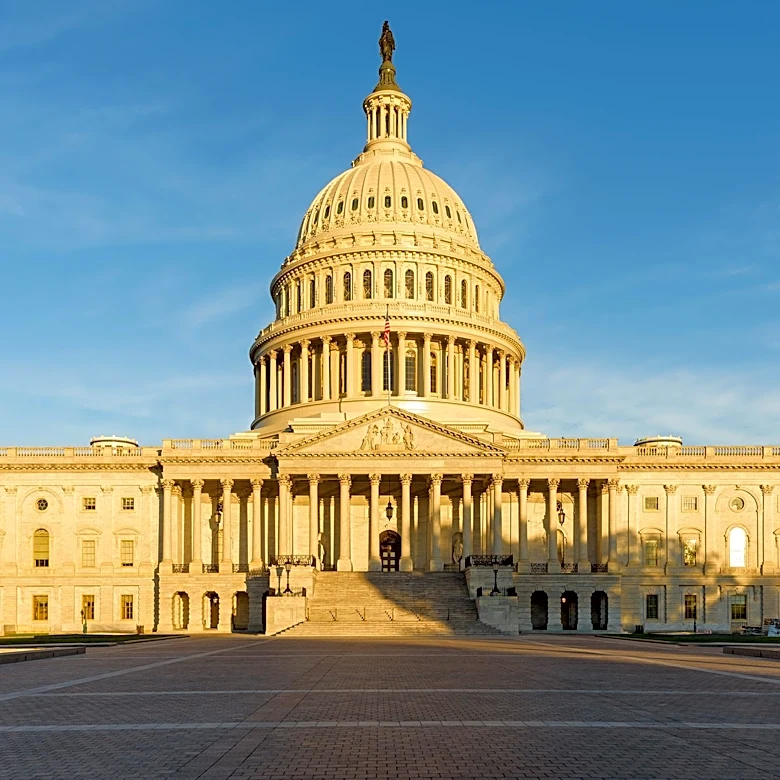
This study is significant because it directly links the actions of specific fossil fuel companies to tangible environmental and economic damages in the Western U.S. The findings provide crucial evidence for ongoing lawsuits filed by states and cities against major oil and gas companies, seeking accountability for climate change impacts. The attribution of water loss to these 'carbon majors' strengthens the legal argument that these companies should bear a financial responsibility for the costs associated with adapting to climate change. The water crisis in the American West affects 40 million people who rely on these resources for cities, farms, and businesses. Increased irrigation demand, which rose over 4% from 2014 to 2024 with more than half attributed to carbon majors' emissions, underscores the economic strain on the agricultural sector. The study also highlights that fossil fuel producers were aware of the risks of their products as early as the 1950s but allegedly engaged in campaigns of delay and deception, exacerbating the current crisis. This research could influence future policy decisions regarding climate accountability and the transition to renewable energy sources.
What's Next?
The findings of this study are expected to bolster legal efforts by states and cities across the U.S. that are suing large oil and gas companies for environmental damages. The study's ability to put a 'price tag' on climate change impacts for fossil fuel companies could lead to more successful litigation and potentially significant financial penalties for these corporations. Graham Fogg, a professor emeritus of hydrogeology at the University of California, Davis, described the paper as 'groundbreaking' and anticipates it will lead to further studies refining these estimates. This ongoing research and legal action could pressure fossil fuel companies to accelerate their transition to cleaner energy sources and invest in climate mitigation efforts. Additionally, the increased scientific evidence linking specific polluters to climate impacts may influence public opinion and political discourse, potentially leading to stronger regulatory frameworks and increased support for renewable energy initiatives at both state and federal levels. The Nevada lawsuit against the federal government over the Colorado River plan also indicates a growing urgency to address water scarcity in the region.
Beyond the Headlines
The study's implications extend beyond immediate legal and economic consequences, touching upon deeper ethical and societal questions regarding corporate responsibility and climate justice. The revelation that fossil fuel companies were aware of the risks of their products decades ago but allegedly chose to mislead the public raises profound ethical concerns about corporate conduct and its long-term impact on the planet and its inhabitants. This historical context underscores a systemic issue where profit motives may have overridden environmental stewardship and public welfare. The disproportionate impact on the Western U.S. water supply also highlights issues of environmental justice, as communities in this region bear the brunt of climate change effects while the benefits of fossil fuel consumption have been broadly distributed. The study implicitly calls for a re-evaluation of the social contract between corporations and society, suggesting that industries with significant environmental footprints should be held accountable for the externalities of their operations. This could lead to a broader societal shift in how industries are regulated and how environmental damages are assessed and compensated.