








What's Happening?
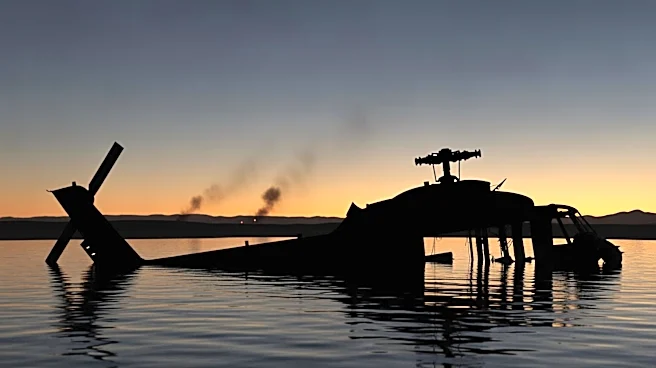
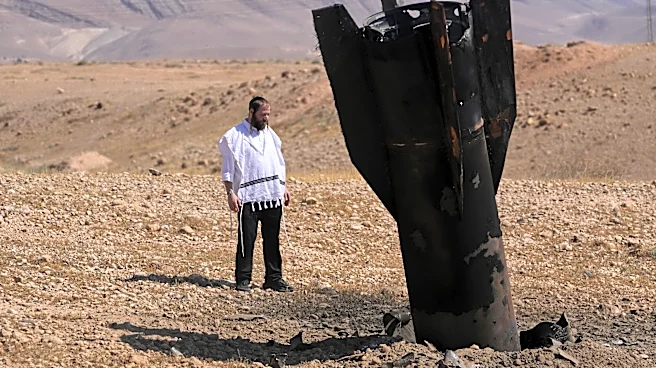
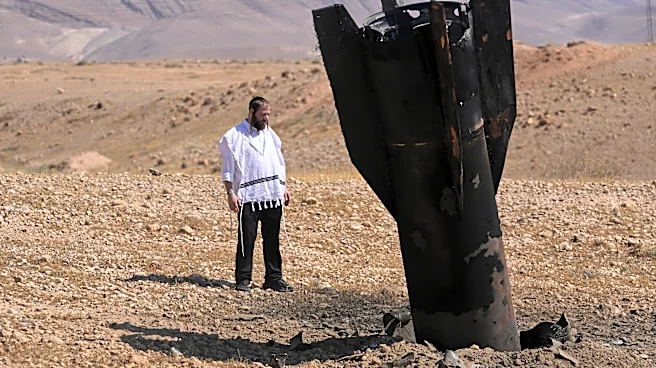
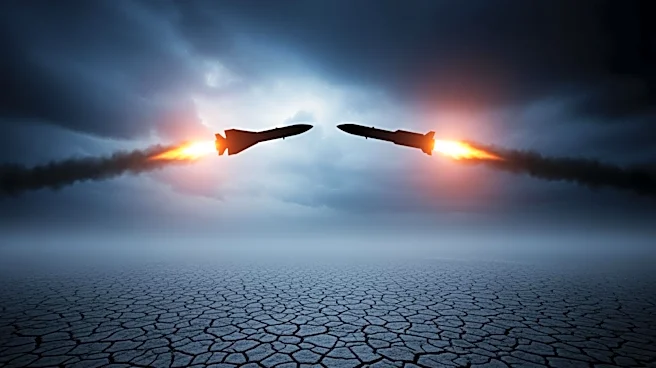
The United States and Iran have exchanged missile strikes, further straining efforts to end the ongoing conflict. U.S. President Donald Trump has warned Iran that it will 'pay the price' for stalled negotiations. The recent escalation follows a series
of back-and-forth attacks, including an incident where a U.S. Army helicopter collided with an Iranian drone. The conflict has disrupted a two-month ceasefire and has significant implications for regional stability and global energy markets.
Why It's Important?
The renewed hostilities between the U.S. and Iran threaten to destabilize the Middle East and impact global oil prices. The Strait of Hormuz, a critical passageway for the world's oil supply, is at the center of the conflict, with Iran leveraging its strategic position as a bargaining chip. The situation complicates diplomatic efforts to reach a peaceful resolution and highlights the challenges of negotiating with a resilient adversary. The conflict's impact on energy prices could have broader economic repercussions, affecting consumers and industries worldwide.
What's Next?
Diplomatic efforts to mediate a resolution are ongoing, with Qatar playing a role in facilitating talks. However, the path to a lasting peace agreement remains uncertain, as both sides have significant demands that are difficult to reconcile. The U.S. is pushing for Iran to abandon its nuclear ambitions, while Iran seeks relief from economic sanctions. The outcome of these negotiations will have far-reaching implications for regional security and international relations.
Beyond the Headlines
The conflict underscores the complexities of U.S.-Iran relations and the broader geopolitical dynamics in the Middle East. The use of military force as a negotiating tool raises ethical and strategic questions about the effectiveness of such tactics. The situation also highlights the role of regional allies and the potential for proxy conflicts to escalate into broader confrontations. As the international community watches closely, the need for a comprehensive and sustainable diplomatic solution becomes increasingly urgent.