
What's Happening?
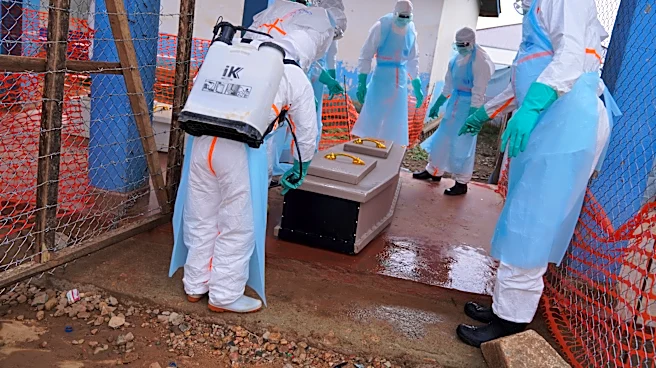
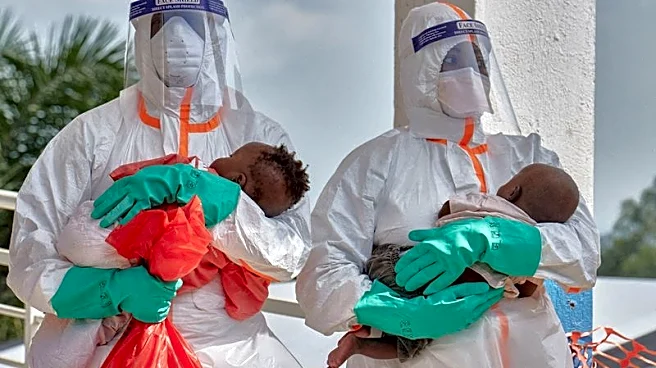
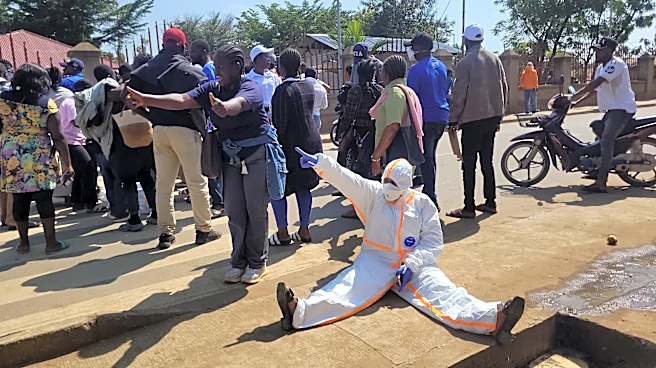
Doctors Without Borders has reported that the Ebola outbreak in the Democratic Republic of Congo is escalating at an unprecedented rate, with confirmed cases reaching 3,973 and resulting in 1,801 deaths. Health workers in the region have gone on strike
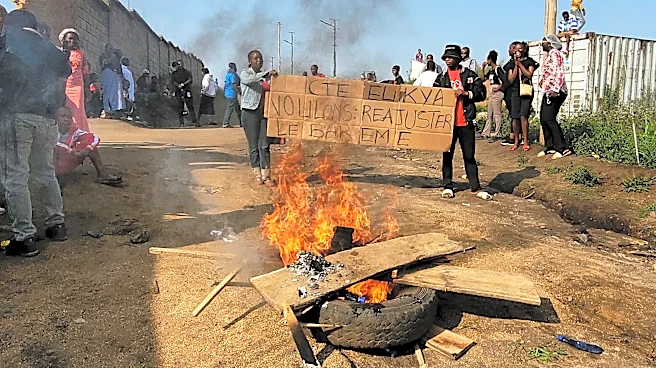
due to unpaid wages, exacerbating the crisis. The World Health Organization has called for immediate action to support responders and curb the virus's spread. The outbreak is the second-largest on record, following the 2014-2016 West Africa outbreak. The situation is further complicated by rebel conflicts and mining activities that hinder access to affected areas.
Why It's Important?
The rapid spread of Ebola in the DR Congo poses a significant threat to global health security, highlighting the need for robust international support and intervention. The unpaid wages of health workers could lead to a further decline in response efforts, potentially increasing the outbreak's reach. The situation underscores the challenges faced by health systems in conflict zones, where logistical issues and security concerns impede effective disease management. The international community's response will be crucial in preventing a wider epidemic and ensuring the safety of health workers on the front lines.
What's Next?
Immediate international support and funding are needed to address the wage issues of health workers and enhance the response to the Ebola outbreak. The World Health Organization and other global health bodies may increase their involvement to ensure that resources reach the affected areas promptly. Continued monitoring and reporting will be essential to track the outbreak's progression and adapt strategies accordingly. The situation may prompt discussions on improving health infrastructure and crisis management in conflict-affected regions.