







What's Happening?
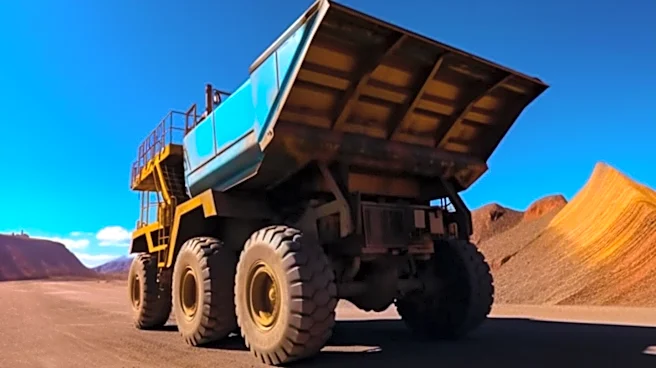
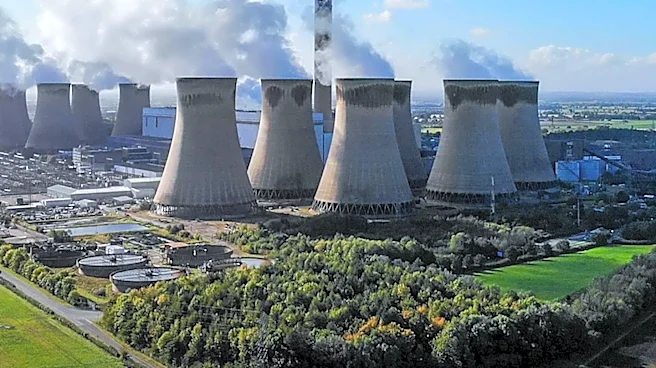
Recent reports have cast doubt on the accuracy of methane emission reductions claimed by coal mines in Europe. According to a study seen by Bloomberg, significant discrepancies have been noted in the reported methane emissions from major lignite mines in Poland,
the Czech Republic, and Germany. These reductions are attributed to a change in the methodology for measuring emissions, which allows mine operators to set their own emissions factors based on site-specific tests. Critics, including physicist Jaroslaw Necki, argue that this approach enables mines to underreport emissions, potentially overstating progress towards climate goals. The European Union's Methane Regulation, part of a broader initiative to cut methane emissions by 30% from 2020 levels by the end of the decade, is central to these efforts. However, the lack of standardized guidelines for emissions testing has raised concerns about the reliability of reported data.
Why It's Important?
The integrity of emissions data is crucial for assessing progress towards climate targets. If coal mines are underreporting methane emissions, it could undermine efforts to combat climate change by providing a false sense of achievement. Methane is a potent greenhouse gas, and accurate measurement is essential for effective regulation and policy-making. The situation highlights the need for robust, standardized testing methods to ensure transparency and accountability. The potential for fines of up to 20% of annual turnover for non-compliance underscores the financial stakes for fossil fuel companies. This issue also reflects broader challenges in balancing industrial interests with environmental responsibilities, a critical aspect of global climate policy.
What's Next?
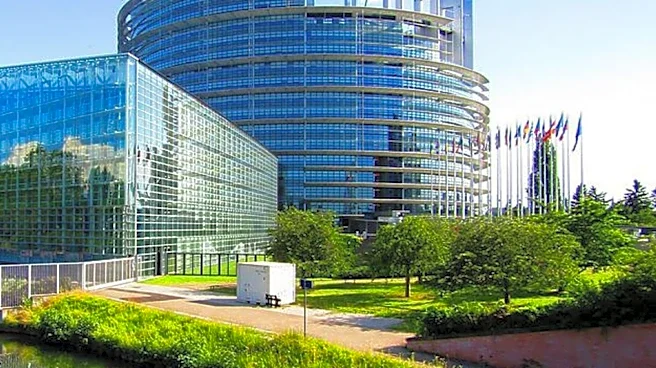
The European Commission is expected to present regulatory guidelines to address these concerns, including rules for estimating emission factors for surface coal mines. The introduction of independent third-party auditing from 2027 aims to enhance the credibility of emissions reporting. However, the effectiveness of these measures will depend on the independence and rigor of the auditing process. Stakeholders, including environmental groups and industry representatives, are likely to engage in discussions to shape these guidelines. The outcome will have significant implications for the EU's ability to meet its methane reduction targets and for the credibility of its climate policies.
Beyond the Headlines
The controversy over emissions reporting highlights the broader issue of regulatory capture, where industries influence the rules meant to govern them. This situation underscores the importance of maintaining a clear separation between industry interests and regulatory oversight. The development of transparent and scientifically sound methodologies for emissions measurement is not only a technical challenge but also a test of political will. The EU's approach to this issue could set a precedent for other regions grappling with similar challenges, influencing global standards for environmental accountability.