


What's Happening?
Roswell Park Comprehensive Cancer Center has released new trial results for SurVaxM, a cancer vaccine developed in collaboration with MimiVax Inc., showing extended survival for some glioblastoma patients. The trial, which began in 2022, involved 233
patients with newly diagnosed glioblastoma across 11 cancer centers nationwide. While the overall median survival for patients receiving the vaccine was 22.8 months compared to 20.3 months for the placebo group, this did not meet the statistical significance standard for the entire study population. However, a more significant improvement was observed in patients aged 65 and younger, who lived a median of 24.2 months with the vaccine, versus 20.2 months for those in the placebo group. This younger cohort also experienced a longer period before their cancer progressed. Approximately 42% of vaccine recipients aged 65 and under were still alive at least 30 months post-treatment, compared to 18% in the placebo group.
Why It's Important?
This development is significant for glioblastoma treatment, a disease known for its aggressive nature and limited therapeutic advancements over the past two decades. The observed improvement in survival, particularly for patients 65 and younger, offers a new beacon of hope in a field where progress is often measured in weeks. The potential for SurVaxM to extend life and delay cancer progression could substantially alter the treatment landscape for this devastating brain cancer. For patients and their families, even a few extra months of life can be profoundly meaningful. The findings also underscore the importance of continued investment in cancer research and clinical trials, as innovative approaches like SurVaxM are crucial for addressing unmet medical needs in oncology. The collaboration between academic institutions and biotech companies, as seen with Roswell Park and MimiVax, highlights a successful model for accelerating medical breakthroughs.
What's Next?
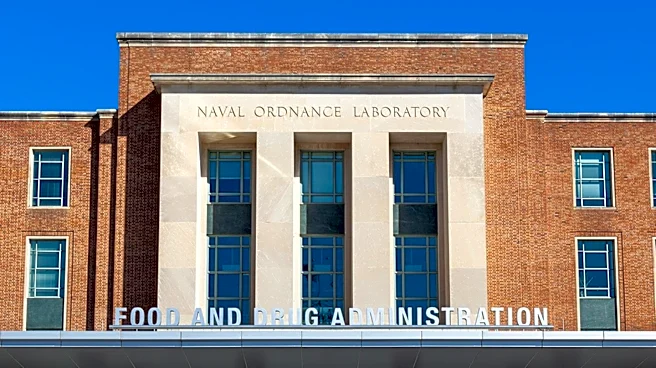
The research team plans to discuss these robust findings with the FDA, aiming to advance SurVaxM through regulatory processes. This discussion will be a critical step towards potential approval and broader availability of the vaccine. The positive results, especially in the younger patient demographic, are expected to strengthen their case. The team also acknowledges the vital role of funding from organizations like the Roswell Park Alliance Foundation and events such as Ride for Roswell and Empire State Ride, which support these types of trials. Continued support will be essential for further research, potential larger-scale trials, and the eventual integration of SurVaxM into standard glioblastoma treatment protocols. The medical community will be closely watching the FDA's response and subsequent steps in the vaccine's development.
Beyond the Headlines
The trial results, while not statistically significant across all age groups, highlight the complex nature of cancer treatment and the varying responses across patient demographics. The stronger signal in younger patients suggests that age or other biological factors might influence the vaccine's efficacy, prompting further research into personalized medicine approaches for glioblastoma. This could lead to more targeted therapies based on patient profiles. Ethically, the extended survival, even if not universally significant, raises questions about access to experimental treatments and the balance between statistical rigor and patient benefit in life-threatening conditions. The public presentation of these findings, including appearances on national television, also underscores the growing public interest and hope surrounding cancer research, placing additional pressure on researchers and regulatory bodies to expedite promising treatments while maintaining scientific integrity.