


What's Happening?
Alcoa, a U.S.-based aluminum company, has been mandated to pay A$55 million for illegally clearing native forest in Western Australia. The payment is part of a legally enforceable undertaking with Australia's environment ministry, addressing land clearing activities
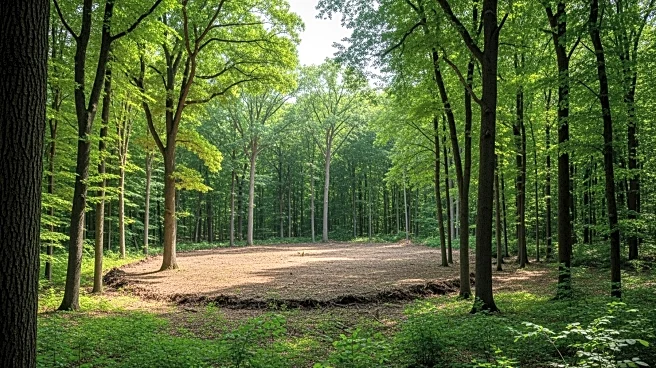
conducted between 2019 and 2025 in the Northern Jarrah Forest. This area, located south of Perth, is significant for its ecological value, including habitats for endangered black cockatoos. Alcoa has been mining bauxite, the primary ore for aluminum, in the region since the 1960s, clearing approximately 28,000 hectares of jarrah forest. The company faced increasing public opposition, with a recent proposal to clear an additional 11,500 hectares receiving a record 59,000 public submissions against it. The government described the A$55 million payment as unprecedented, marking it as the largest of its kind for such environmental infractions.
Why It's Important?
This development underscores the growing global scrutiny and regulatory pressure on corporations regarding environmental conservation. Alcoa's case highlights the potential financial and reputational risks companies face when failing to comply with environmental laws. The significant public opposition and the record number of submissions against further land clearing reflect a heightened public awareness and activism concerning environmental issues. This case could set a precedent for how environmental violations are penalized, potentially influencing corporate practices and policies worldwide. For the U.S., it serves as a reminder of the international responsibilities American companies hold and the potential consequences of neglecting environmental stewardship.
What's Next?
Alcoa is expected to implement conservation-focused initiatives funded by the A$55 million payment. These initiatives will include ecological offsets, programs to protect endangered species like the black cockatoos, and improved management of invasive species. The company may also face increased scrutiny from environmental groups and regulatory bodies, potentially affecting its operations and future projects. This situation could prompt other companies to reassess their environmental impact strategies to avoid similar penalties. Additionally, the Australian government may continue to strengthen its environmental regulations and enforcement mechanisms, influencing corporate behavior in the region.