








What's Happening?
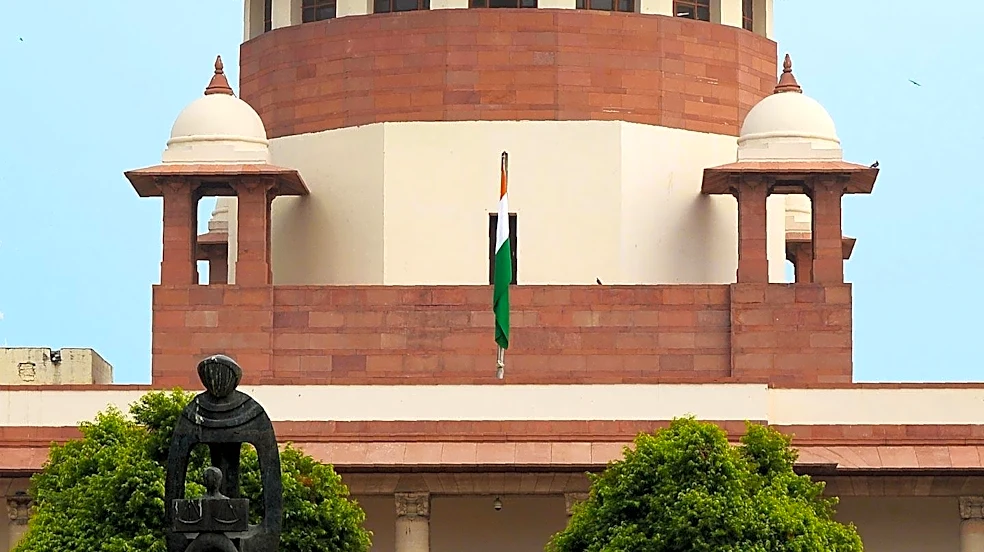
The Supreme Court of India has granted bail to former Rajasthan Minister Mahesh Joshi and Mukesh Pathak in a case concerning alleged financial irregularities within the Jal Jeevan Mission. This decision overturns a previous denial of bail by the High
Court. The case involves accusations of tender manipulation by private firms, which allegedly used forged documents to secure 104 tenders valued at approximately ₹979.45 crore (around $117 million USD) between 2021 and 2023. The investigation, initiated by the Rajasthan Anti-Corruption Bureau (ACB), has led to 22 accused individuals, three chargesheets, 124 prosecution witnesses, and over 20,000 pages of documentary evidence. Despite the gravity of the allegations, the Supreme Court emphasized that the investigation is complete and further custodial interrogation is not required, reinforcing the principle that prolonged pre-trial detention should not serve as punishment. The Jal Jeevan Mission, launched in 2019, is a centrally sponsored scheme aimed at providing piped water supply to all rural households by 2024, implemented in partnership with state governments.
Why It's Important?
This Supreme Court ruling is significant as it reaffirms the constitutional guarantee of personal liberty, asserting that bail cannot be denied solely based on the seriousness of allegations, especially once investigations are complete. It sets a precedent for balancing the public interest in prosecuting corruption with an individual's right to fair trial and freedom from indefinite pre-trial detention. The case also highlights systemic vulnerabilities in public procurement processes within large-scale government welfare schemes like the Jal Jeevan Mission. The alleged misappropriation of a substantial amount of public funds underscores the potential fiscal impact on national programs designed to provide essential services. Furthermore, it brings to light the critical role of state-level Anti-Corruption Bureaus in investigating financial irregularities and the need for robust internal audits and third-party verification to prevent fraud in public procurement.
What's Next?
The granting of bail means that the focus will now shift to the trial phase of the case. The Supreme Court's decision will likely influence future bail applications in similar cases involving economic offenses, particularly where investigations are complete and custodial interrogation is no longer deemed necessary. Authorities will need to continue their efforts to prosecute the accused based on the extensive evidence collected. Additionally, this case may prompt a review of the tendering processes and oversight mechanisms within the Jal Jeevan Mission and other centrally sponsored schemes to prevent future financial impropriety. There could be increased scrutiny on the implementation of such large-scale projects, potentially leading to enhanced digital verification systems for tender documents and more stringent audit requirements to ensure accountability and transparency.
Beyond the Headlines
The deeper implications of this case extend to the broader discourse on judicial activism versus accountability in public welfare schemes. While the Supreme Court's decision upholds individual liberties, it also raises questions about the effectiveness of existing safeguards in deterring and detecting financial malpractices that can undermine public trust in government initiatives. The alleged fraud in a mission critical for providing basic amenities like water to rural households highlights ethical concerns regarding the misuse of public funds intended for vulnerable populations. This incident could trigger a re-evaluation of the balance between speedy trials and preventive detention in economic offenses, and potentially lead to legislative or administrative reforms aimed at strengthening governance, transparency, and inter-agency coordination to protect public resources more effectively.