





What's Happening?
The United States and Iran concluded direct talks without reaching an agreement to end the ongoing conflict, casting doubt on the continuation of a fragile two-week ceasefire. The negotiations, held in Pakistan, ended with both sides blaming each other
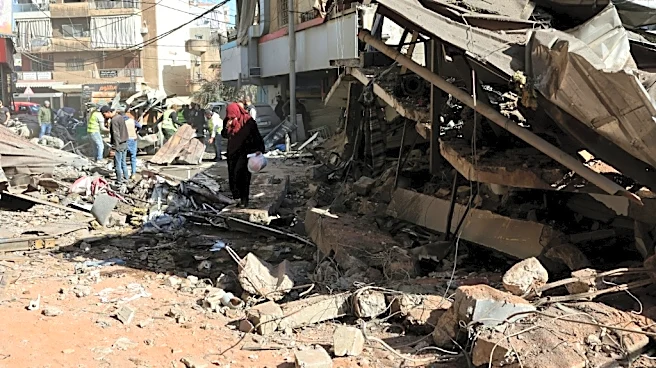
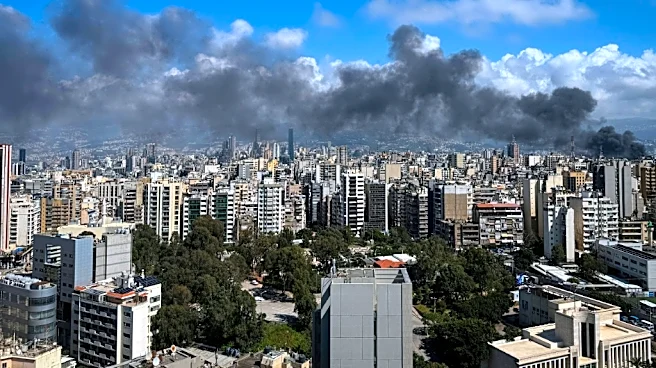
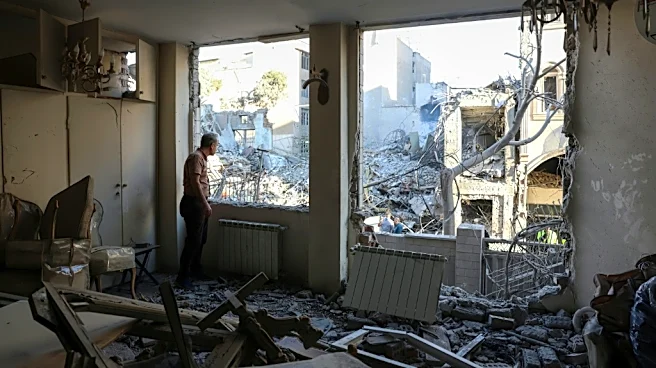
for the failure. U.S. officials cited Iran's unwillingness to abandon its nuclear ambitions as a key sticking point, while Iranian officials accused the U.S. of overreach. The ceasefire, set to expire on April 22, remains uncertain as both parties maintain their positions. The conflict, which began with U.S. and Israeli military actions against Iran, has resulted in significant casualties and infrastructure damage across the Middle East.
Why It's Important?
The breakdown of talks between the U.S. and Iran has significant implications for regional stability and global energy markets. Iran's control over the Strait of Hormuz, a critical chokepoint for global oil shipments, has already disrupted oil exports, leading to increased energy prices worldwide. The failure to reach a peace agreement could exacerbate tensions in the Middle East, potentially leading to further military escalations. The situation also highlights the challenges in diplomatic negotiations involving nuclear non-proliferation and regional security, with both sides holding firm on their strategic interests.
What's Next?
With the ceasefire's future uncertain, there is potential for renewed hostilities if no diplomatic progress is made. Pakistan has expressed willingness to facilitate further dialogue, but it remains unclear if or when talks will resume. Meanwhile, Israel continues its military operations in Lebanon, complicating the regional security landscape. The international community may need to increase diplomatic efforts to prevent further escalation and address the humanitarian impact of the conflict.