







What's Happening?
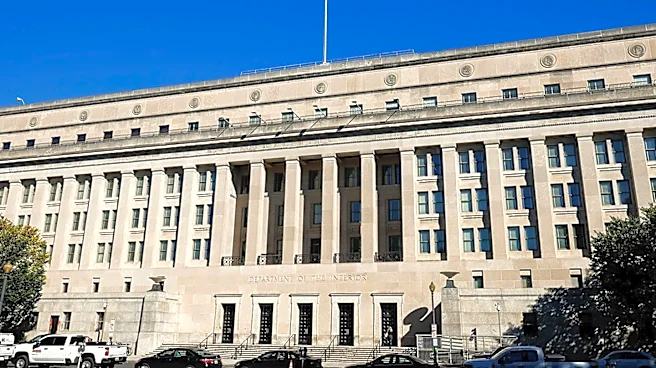
The U.S. Department of the Interior is recruiting a Budget Analyst, GS-12/13, for the Office of the Secretary, specifically within the Assistant Secretary Policy Management & Budget, Budget and Reporting Operations, located in Washington, D.C. This position
is critical for supporting the department's financial planning and oversight. The Budget Analyst will assist in developing and reviewing budget instructions, guidance, and schedules, and contribute to improving department-wide budget processes through standardized procedures and tools. Key responsibilities include participating in the preparation of budget estimates, narrative justifications, and exhibits, as well as analyzing budget execution data to track obligations, expenditures, and trends. The analyst will also assist with funds allocation and apportionment processes, provide analytical support for materials prepared for the Office of Management and Budget (OMB), Congress, and leadership, and help review testimony, hearing questions, and briefing papers. Communication with bureau budget offices to gather necessary data and providing guidance to program staff on budget procedures are also integral parts of the role. The salary range for this position is $102,415-$158,322, with first-time federal hires typically starting at the step 1 rate.
Why It's Important?
This Budget Analyst position is vital for ensuring fiscal responsibility and strategic allocation of resources within the Department of the Interior, an agency responsible for managing vast public lands and natural resources. Effective budget analysis and management are crucial for the department to fulfill its diverse missions, which include conservation, energy development, and tribal relations. The role's involvement in preparing budget estimates and analyzing execution data directly impacts the department's ability to secure and utilize federal funding efficiently. By supporting improvements to budget processes and providing analytical materials for leadership, OMB, and Congress, the Budget Analyst contributes to transparent and accountable governance. This position helps ensure that financial decisions are data-driven and aligned with departmental priorities, ultimately affecting the implementation of policies related to public lands, environmental protection, and Native American affairs. The ability to forecast execution trends and identify efficiencies is particularly important in a large federal agency with significant budgetary demands.
What's Next?
The application period for the Budget Analyst position closes on September 28, 2026. Applicants must meet specific minimum qualifications, including at least one year of specialized experience equivalent to the GS-11 or GS-13 level in the federal service, depending on the grade applied for. The selection process involves a thorough evaluation of application materials, responses to questionnaires, and successful completion of any required USA Hire Assessments. Candidates will be assessed on competencies such as accountability, attention to detail, customer service, decision-making, and teamwork. Qualified applicants will be referred to the hiring manager for consideration. The position is suitable for telework with supervisory approval, offering flexibility. The successful candidate will play a direct role in the Department of the Interior's financial operations, contributing to the strategic management of its budget and resources for years to come.
Beyond the Headlines
The recruitment for a Budget Analyst within the Department of the Interior highlights the intricate financial machinery that underpins federal governance. Beyond the technical aspects of budget formulation and execution, this role involves navigating complex political and policy landscapes, as budget decisions often reflect national priorities and legislative mandates. The analyst's work in preparing materials for OMB and Congress means they are indirectly involved in shaping public discourse and legislative outcomes related to environmental policy, land management, and Indigenous affairs. The emphasis on identifying efficiencies and evaluating resource utilization speaks to the ongoing pressure on federal agencies to demonstrate value and optimize taxpayer dollars. This position is not merely about numbers; it's about translating policy goals into actionable financial plans and ensuring that the Department of the Interior can effectively manage its vast responsibilities, from national parks to tribal trust lands, in a fiscally sound manner. The role also underscores the importance of a skilled federal workforce in maintaining the integrity and effectiveness of government operations.