



What's Happening?
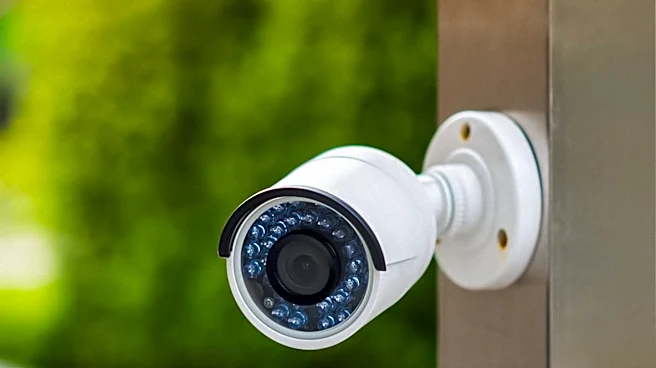
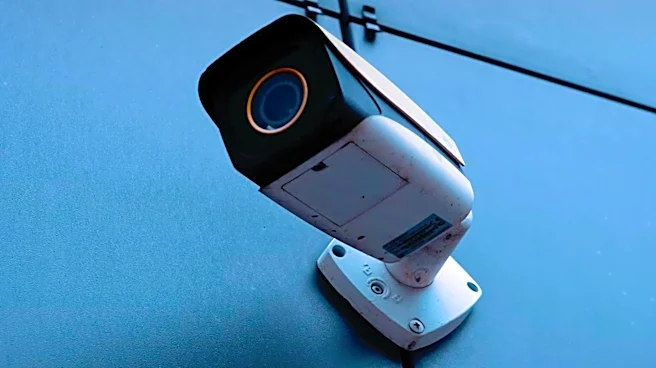
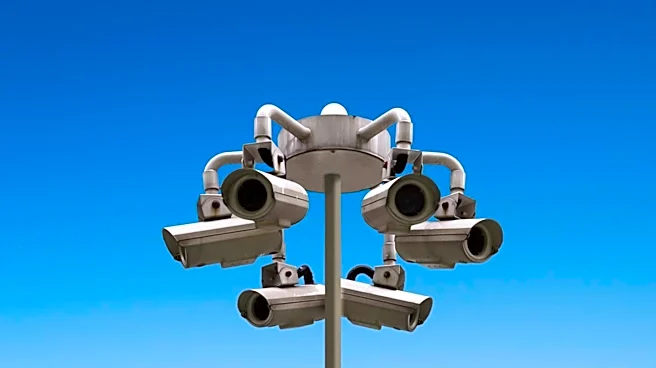
Apartment complexes are increasingly adopting advanced security camera systems to enhance safety, deter crime, and improve tenant retention. A 2023 survey indicated that 66% of renters prefer apartments with security cameras. The market offers a variety
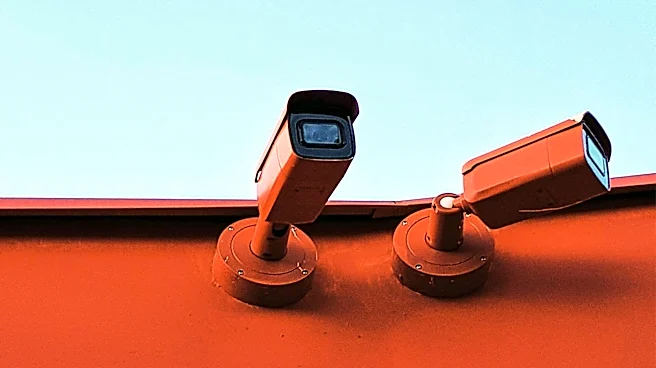
of camera types, including bullet cameras for long-distance capture, dome cameras for discreet indoor monitoring, PTZ (Pan-Tilt-Zoom) cameras for remote control in wide areas, turret cameras for outdoor low-light performance, box cameras for superior image quality, and LPR (License Plate Recognition) cameras for vehicle tracking. Leading brands like Avigilon, Hikvision, Axis, and Hanwha provide advanced technologies such as AI-powered motion detection, facial recognition, and real-time analytics. These systems aim to prevent package theft, deter other crimes, and provide a sense of security that contributes to tenant satisfaction and retention. Proper installation, including strategic placement and adherence to tenant privacy laws, is crucial for effective and legal operation.
Why It's Important?
The integration of advanced security camera systems in apartment complexes is important for several reasons. Firstly, it directly addresses a primary concern for residents: safety and security. By deterring crime, particularly package theft which is common in dense residential areas, these systems protect tenants' property and well-being. This enhanced security contributes significantly to tenant satisfaction and retention, as residents are more likely to stay in environments where they feel safe and valued. For property managers and owners, this translates into lower vacancy rates and a more stable income stream. Secondly, the use of AI-driven analytics in these cameras provides proactive security measures, allowing for real-time identification of unusual activities and more efficient response to incidents. This technological advancement moves beyond passive monitoring to intelligent surveillance, offering better protection and potentially reducing liability for property owners. Lastly, the responsible deployment of these systems, adhering to privacy laws, sets a standard for how technology can be used to enhance community safety while respecting individual rights.
What's Next?
The trend towards more sophisticated and integrated security solutions in apartment complexes is expected to continue. Future developments will likely include further advancements in AI and machine learning for predictive analytics, allowing systems to anticipate potential threats based on behavioral patterns. There will be an increased focus on seamless integration with other smart building technologies, such as access control systems and smart home devices, to create comprehensive security ecosystems. The demand for cloud-based storage and remote monitoring capabilities will grow, offering greater flexibility and accessibility for property managers. Additionally, as technology evolves, there will be ongoing discussions and updates to tenant privacy laws to ensure that surveillance practices remain ethical and legal. Property owners will need to stay informed about these legal frameworks and technological advancements to implement effective and compliant security solutions that meet the evolving needs and expectations of residents.
Beyond the Headlines
The widespread adoption of advanced security cameras in residential settings, particularly apartment complexes, carries deeper implications for privacy, community dynamics, and the evolving definition of public versus private space. While these systems offer tangible security benefits, they also introduce a pervasive level of surveillance that can alter the sense of anonymity and freedom within a community. The ethical challenge lies in balancing the collective desire for safety with individual rights to privacy, especially concerning the collection and retention of video footage and the use of AI for facial recognition or behavioral analysis. Legally, the interpretation and enforcement of tenant privacy laws will become increasingly critical, requiring clear guidelines on camera placement, data access, and retention policies. Culturally, the normalization of constant surveillance in living spaces could lead to a shift in social norms, potentially fostering a more cautious or self-conscious public demeanor. The long-term impact will depend on how these technologies are regulated and how communities adapt to living under increased digital scrutiny, shaping the future of urban living and personal liberty.