







What's Happening?
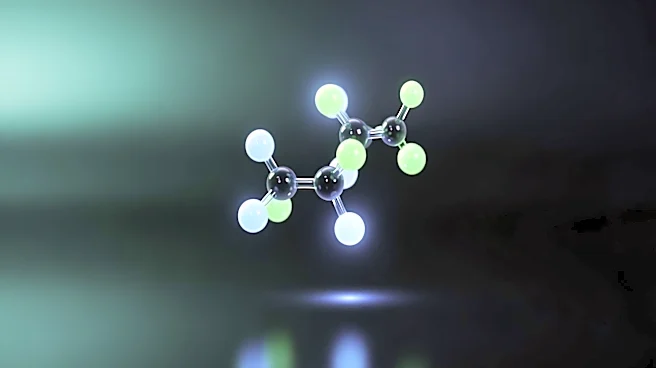
Researchers at the University of Kent, in collaboration with University College London, have discovered that madecassic acid, a compound derived from the plant Centella asiatica, shows promise in combating antibiotic-resistant bacteria. This discovery
is significant as drug-resistant infections pose a growing global health threat, with projections estimating 39 million deaths from antimicrobial resistance between 2025 and 2050. The study, published in RSC Medicinal Chemistry, highlights madecassic acid's ability to inhibit the growth of antibiotic-resistant E. coli by targeting the cytochrome bd complex, a protein system crucial for bacterial respiration and survival. This system is absent in humans and animals, making it an ideal target for new antimicrobial treatments. The research also explored modified versions of madecassic acid, which demonstrated even stronger antibacterial effects.
Why It's Important?
The identification of madecassic acid as a potential antimicrobial agent is crucial in the fight against antibiotic-resistant bacteria, a major public health concern. Traditional antibiotic development is costly and time-consuming, so finding effective compounds from natural sources like plants offers a promising alternative. This discovery could lead to the development of new drugs that work differently from existing antibiotics, potentially reducing the impact of drug-resistant infections. Additionally, the research underscores the importance of plant-based chemicals in modern medicine, highlighting their potential to address pressing health challenges.
What's Next?
Future research will focus on refining the chemical structure of madecassic acid to enhance its antibacterial properties and explore its potential as a new class of antimicrobial drugs. Scientists aim to further understand the compound's effects on the skin microbiome, which could have implications for its use in skincare products. Continued collaboration between research institutions will be essential to advance these findings and develop effective treatments for drug-resistant infections.
Beyond the Headlines
The study of madecassic acid not only contributes to the development of new antibiotics but also emphasizes the broader role of natural compounds in healthcare. As researchers continue to explore plant-based chemicals, there is potential for discovering additional natural remedies that could revolutionize treatment options for various diseases. This approach aligns with a growing interest in sustainable and natural solutions in medicine.