






What's Happening?
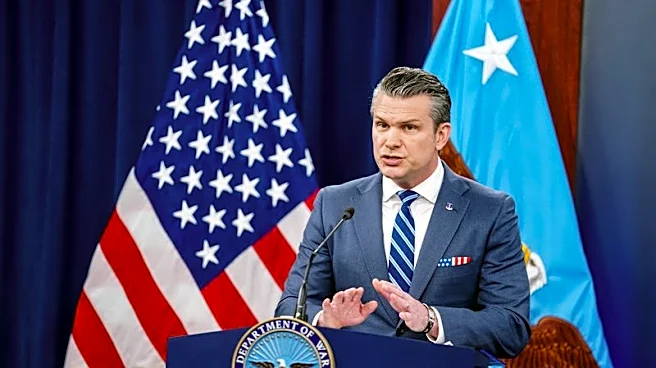
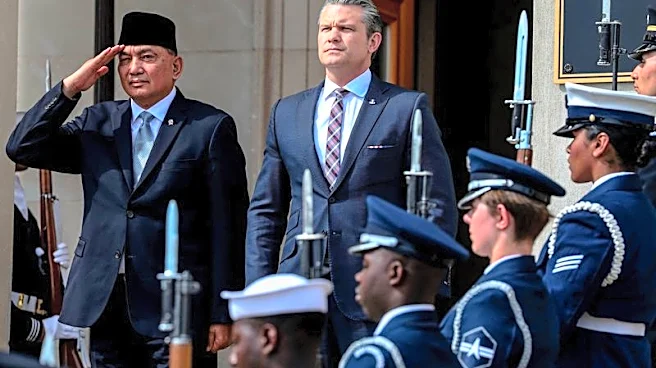
Army Secretary Dan Driscoll has publicly praised General Randy George, who was recently dismissed by Defense Secretary Pete Hegseth. During a House Appropriations Defense Subcommittee hearing, Driscoll expressed high regard for George's 42 years of service
and leadership. Despite the praise, Driscoll acknowledged the authority of civilian leadership in selecting military leaders. The dismissal of George, along with two other generals, reportedly surprised senior Army officials, who learned of the decision simultaneously with the Department of Defense. The move has sparked discussions about the dynamics between military and civilian leadership within the Pentagon.
Why It's Important?
The firing of General Randy George highlights the ongoing tension between military and civilian leadership in the U.S. Department of Defense. Such changes can have significant implications for military operations and morale, as leadership stability is crucial for effective military strategy and execution. The situation underscores the delicate balance of power and decision-making within the military hierarchy, potentially affecting future appointments and the overall direction of military policy. The support expressed by lawmakers for George suggests a broader concern about the impact of such leadership changes on military effectiveness.
What's Next?
With General Chris LaNeve now serving as the acting chief of staff, the Army will continue to adapt to these leadership changes. The transition period will be closely watched by military officials and lawmakers, as they assess the impact on military operations and readiness. Further discussions and hearings may occur to address concerns and ensure a smooth transition. The situation may also prompt a reevaluation of the criteria and processes for selecting military leaders, aiming to balance civilian oversight with military expertise.