








What's Happening?
A new study published in npj Sustainable Agriculture has highlighted a significant oversight in the environmental impact assessments of farm animals: the exclusion of mineral supplements. Researchers analyzed 109 peer-reviewed life cycle assessments (LCAs)
for various farm animals, including cattle, pigs, chickens, fish, and crustaceans. The findings indicate that 64% of these studies entirely omitted the environmental impact of mineral supplements, with only one-eighth accurately modeling their effects. While minerals constitute a small percentage of animal feed—less than 5% for salmon and under 3% for cattle—their global consumption amounts to millions of tons annually due to the sheer number of farm animals. This omission is particularly prevalent in aquaculture, where 84% of fish and crustacean studies excluded mineral supplements, compared to 73% for cattle, 50% for chickens, and 48% for pigs. The study suggests that as the aquaculture industry shifts towards plant-based feeds and ocean temperatures rise, the reliance on mineral supplementation may increase, further exacerbating this unaddressed environmental footprint.
Why It's Important?
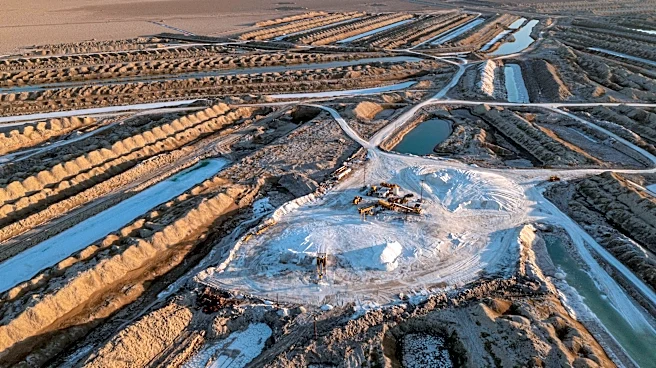
The exclusion of mineral supplements from life cycle assessments creates a substantial blind spot in understanding the true environmental cost of animal agriculture. Mining operations, which supply these essential minerals, are known to cause severe environmental damage, including air pollution, deforestation, water depletion, contamination, and threats to endangered species. By not accounting for these impacts, current environmental footprints of meat, fish, dairy, and other animal-sourced foods are likely underestimated. This has significant implications for sustainability efforts and policy-making aimed at mitigating the environmental effects of food production. Consumers and policymakers may be making decisions based on incomplete data, potentially leading to less effective strategies for reducing the ecological footprint of the agricultural sector. The study underscores the need for a more comprehensive approach to environmental accounting in the food industry, ensuring that all components of the supply chain, no matter how small in proportion, are evaluated for their cumulative impact.
What's Next?
The findings suggest a critical need for improved transparency and data collection within the animal feed and mining industries. Feed companies could play a pivotal role by demanding more detailed information from mineral suppliers regarding sourcing methods and environmental impacts. This information, if made available, could be integrated into independent databases used for life cycle assessments, such as Ecoinvent, allowing for more accurate environmental modeling. Researchers also advocate for a re-evaluation of common LCA methodologies, particularly the '1% rule,' which often leads to the exclusion of materials deemed insignificant by weight but cumulatively impactful. Moving forward, increased collaboration between mining companies, feed producers, and researchers will be essential to develop standardized reporting mechanisms and ensure that the full environmental costs of animal agriculture are understood and addressed. This could lead to the development of more sustainable sourcing practices and potentially influence consumer choices and regulatory frameworks.
Beyond the Headlines
The study uncovers a deeper systemic issue within global supply chains: the difficulty of tracing environmental impacts through complex, multi-tiered networks. The long supply chains for minerals, involving mining companies, mineral companies, feed companies, and producers, create significant challenges for transparency and accountability. This opacity allows environmental costs to remain hidden, making it difficult to implement effective sustainability measures. The reliance on proxy minerals in LCAs, due to a lack of specific data, further highlights this problem. Ethically, this raises questions about corporate responsibility in understanding and mitigating the full scope of their environmental footprint, even for seemingly minor components of their products. Culturally, it challenges the perception of 'sustainable' food production by revealing previously unacknowledged environmental burdens, potentially shifting consumer demand towards products with more transparent and thoroughly assessed supply chains. This could drive a broader movement towards greater supply chain visibility and accountability across various industries.