






What's Happening?
Effective October 1, 2026, the City of Lodi will no longer absorb convenience fees associated with credit card, debit card, and electronic check (ACH) payments for utility services. These fees will instead be directly paid by customers who opt for these
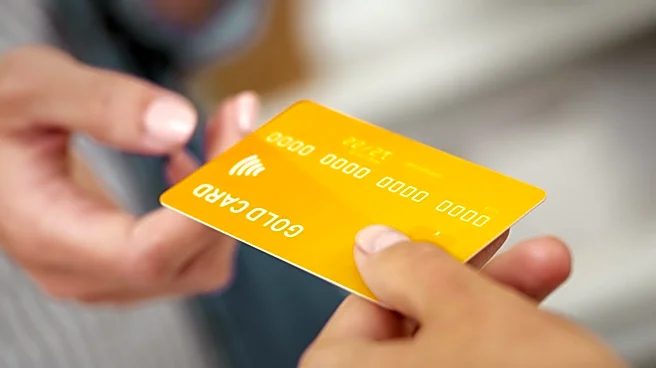
payment methods. This change applies to various payment channels, including online, phone, payment kiosks, and in-person front counter transactions. For residential credit/debit card payments made online, by phone, or at a kiosk, a 2.49% fee per transaction will be applied. Commercial credit/debit card payments through these channels will incur a 2.99% fee. Electronic check (ACH) payments will have a flat fee of $0.10 per transaction. In-person credit/debit card payments at the front counter will be subject to a 3.50% fee per transaction. The City of Lodi states that these fees are charged and retained by third-party payment processors, not by the city itself. Customers currently enrolled in AutoPay using these methods will need to review and accept updated payment terms by September 28, 2026, or they will be removed from the service.
Why It's Important?
This policy shift by the City of Lodi is significant as it transfers the cost of payment processing directly to consumers who choose to pay with credit cards, debit cards, or ACH. Historically, the city absorbed these costs, but increasing processing fees have made this financially unsustainable. This move aims to ensure that payment processing expenses are borne by the users of these specific payment methods, rather than being distributed among all utility customers through general rates. For residents and businesses in Lodi, this means an additional charge on their utility bills if they continue to use electronic payment options. While the city offers lower-cost alternatives like ACH payments ($0.10 fee) and free options such as cash, check, or money order payments, the convenience of credit and debit cards will now come at an extra cost. This decision reflects a broader trend among public agencies to pass on transaction fees to maintain fiscal responsibility and cost-effective public services, potentially impacting household budgets and payment habits.
What's Next?
Customers of the City of Lodi's utility services will need to adjust their payment strategies before October 1, 2026. Those enrolled in AutoPay with credit cards, debit cards, or ACH will be required to review and accept new payment terms starting August 1, 2026. Failure to do so by September 28, 2026, will result in removal from AutoPay. The city will provide additional instructions for AutoPay customers regarding the acceptance process and re-enrollment. Customers seeking to avoid convenience fees can opt for alternative payment methods, including online bill pay through their financial institution, mailing checks or money orders, in-person payments with cash, check, or money order at the Finance Building, using the payment drop box, or the 24-hour payment kiosk with cash. The city encourages customers to consider the electronic check (ACH) option for the lowest-cost electronic payment. This change may lead to a shift in how Lodi residents and businesses manage their utility payments.
Beyond the Headlines
The City of Lodi's decision to implement credit card convenience fees highlights a growing challenge for municipalities and businesses in managing the rising costs of electronic payment processing. While credit cards offer convenience, the associated merchant fees, ranging from 1.5% to 4% per transaction, can significantly impact an organization's budget, especially for entities like utility providers that handle a high volume of transactions. By passing these fees directly to consumers, Lodi is addressing a financial sustainability issue, but it also raises questions about equitable access to payment methods and the potential burden on certain demographics. This move could encourage a return to traditional payment methods like cash or checks for some, or drive greater adoption of lower-cost electronic options like ACH. It also underscores the ongoing tension between the convenience of modern payment systems and the underlying costs that must be covered, ultimately influencing consumer behavior and financial planning at a local level.